The C64 SID Chip
The legendary Sound Interface Device that defined an era of computer music
The C64 SID Chip: the Sound of a Revolution
The SID chip made the Commodore 64 the most sonically powerful home computer of its era.
The SID chip (Sound Interface Device) is the heart and soul of the Commodore 64's audio system. Designed by Bob Yannes at MOS Technology in 1981, it was revolutionary for its time: a synthesizer-on-a-chip that gave an affordable home computer capabilities rivalling dedicated music hardware costing many times more. Yannes later co-founded Ensoniq, the company behind some of the most respected synthesisers of the 1980s.
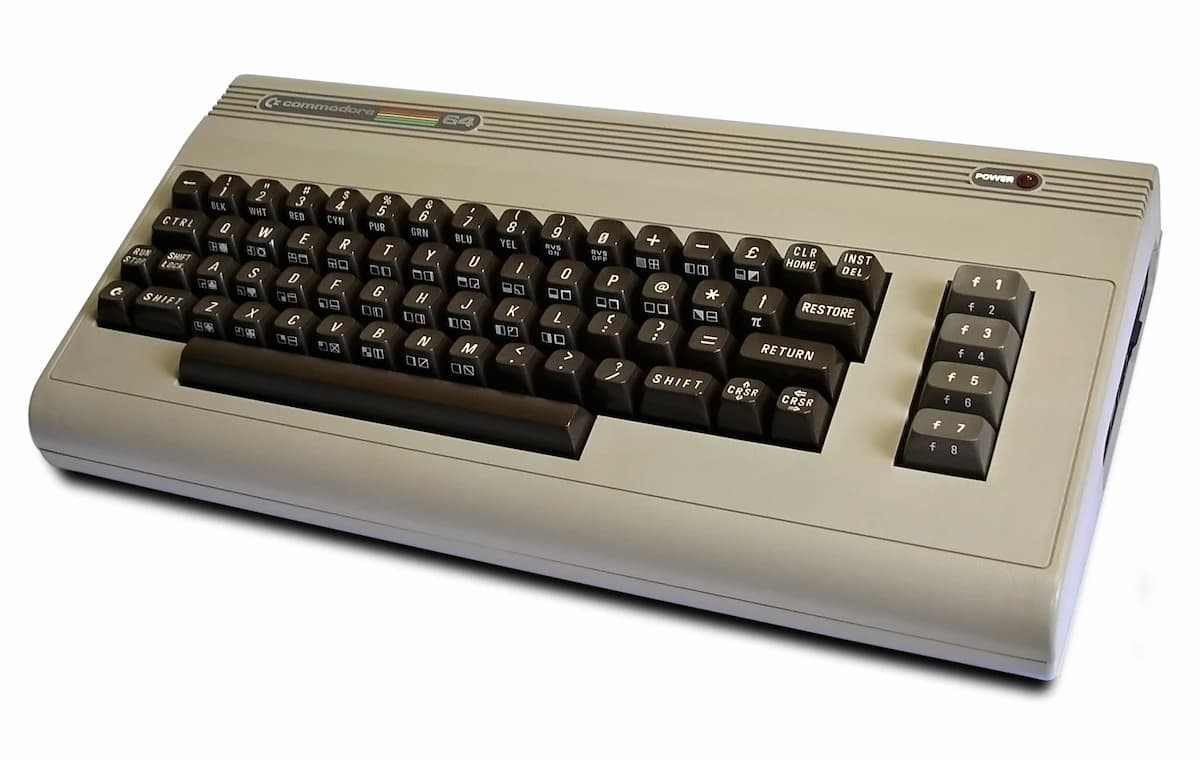
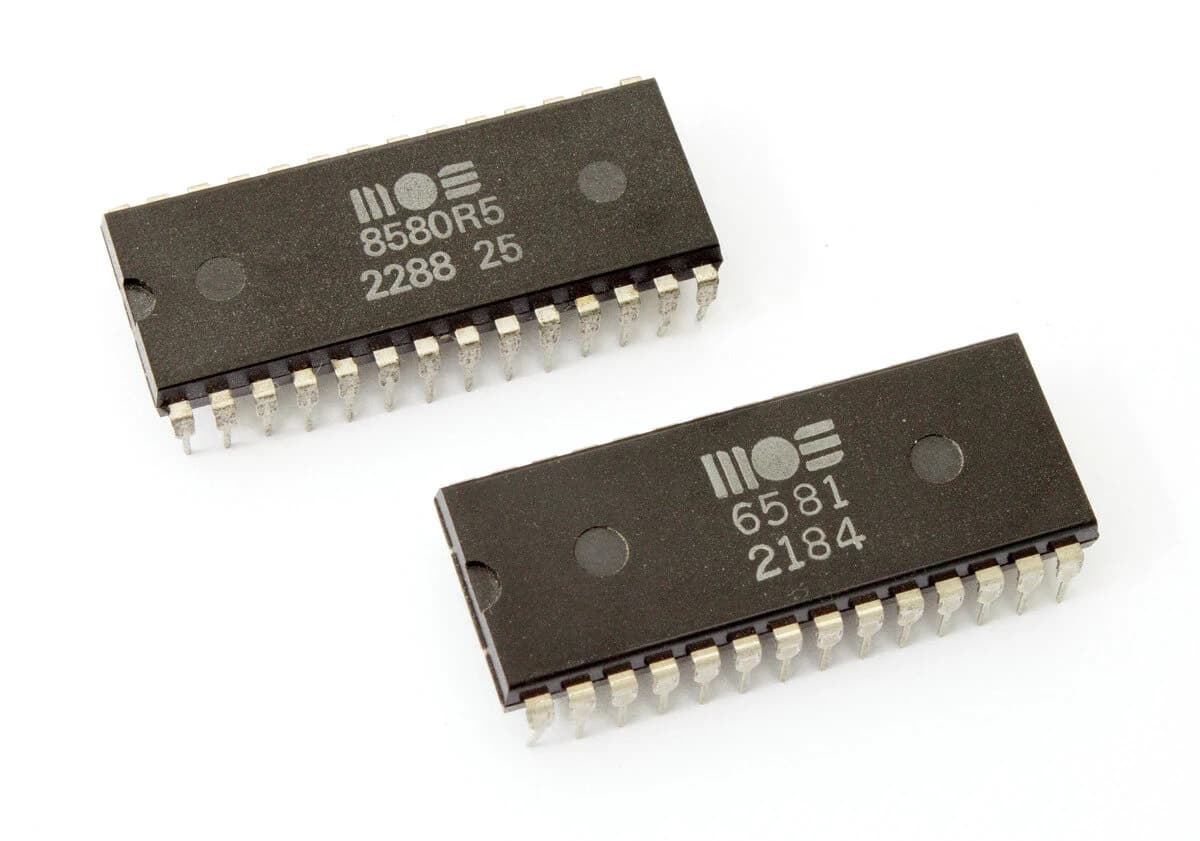
Two main versions of the SID were produced during the C64's lifetime. The original MOS 6581, introduced with the first C64 in 1982, and the MOS 8580, which appeared in 1987 with later motherboard revisions. Though functionally similar, the two chips have distinct sonic characteristics that have fuelled passionate debate among enthusiasts for decades.
Shop on Amazon
Find Commodore hardware, games, books and accessories. Browse the full range on Amazon.
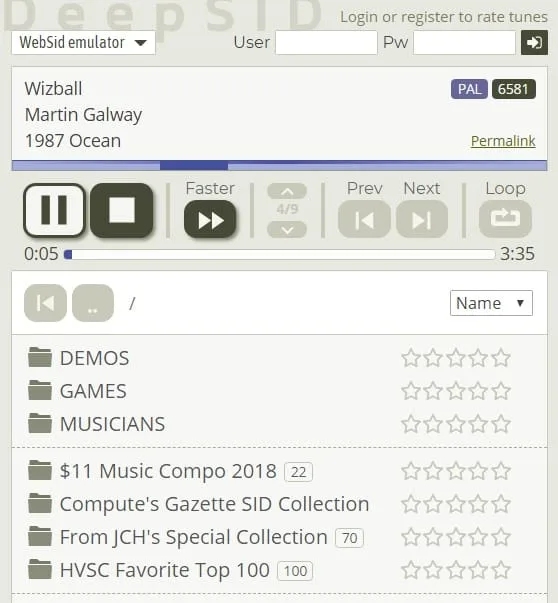
Three Voices: What the C64 SID Chip Could Do
Each SID chip provides three independent oscillators, known as voices, and each voice can produce four different waveforms: triangle, sawtooth, pulse (with variable width), and noise. These waveforms can be combined to create a surprisingly wide palette of sounds, from smooth pads and punchy bass lines to harsh metallic textures and realistic percussion.
Every voice has its own ADSR envelope generator, controlling Attack, Decay, Sustain, and Release parameters. This allows precise shaping of how each note starts, develops, and fades away. The ADSR implementation on the SID is not without its quirks: a well-known bug in the envelope generator can cause unexpected behaviour when rapidly retriggering notes, but skilled composers learned to work with these quirks, turning limitations into creative tools.
Hear the SID chip: try it yourself
This synthesiser uses the same principles as the real SID chip. Three independent voices, each with its own waveform, ADSR envelope and filter. The frequency values shown are the actual register values you would write to SID memory on a real C64. Press a preset to hear a classic C64 sound, or adjust the controls to build your own.
Filtering and Modulation
The SID chip features a multimode analogue filter that can operate as a low-pass, band-pass, high-pass, or notch filter. Any combination of the three voices can be routed through this filter, allowing for sweeping frequency effects, wah-wah sounds, and vocal-like timbres. The filter is one of the most significant differences between the 6581 and 8580 variants.
Ring modulation and oscillator synchronisation add further sonic possibilities. Ring modulation creates complex, bell-like harmonic content by multiplying two waveforms together. Oscillator sync forces one oscillator to restart its cycle when another completes its own, producing distinctive lead sounds that became a signature of many classic SID tunes.
SID 6581 vs 8580: The Great C64 Debate
The MOS 6581, used in the original breadbin C64 and early C64c models, operates at 12 volts and features analogue circuitry with a distinctively warm, slightly distorted character. Its filter has a resonant peak that adds a pleasant coloration to sounds, though the filter's exact characteristics vary significantly between individual chips, meaning no two 6581s sound exactly alike.
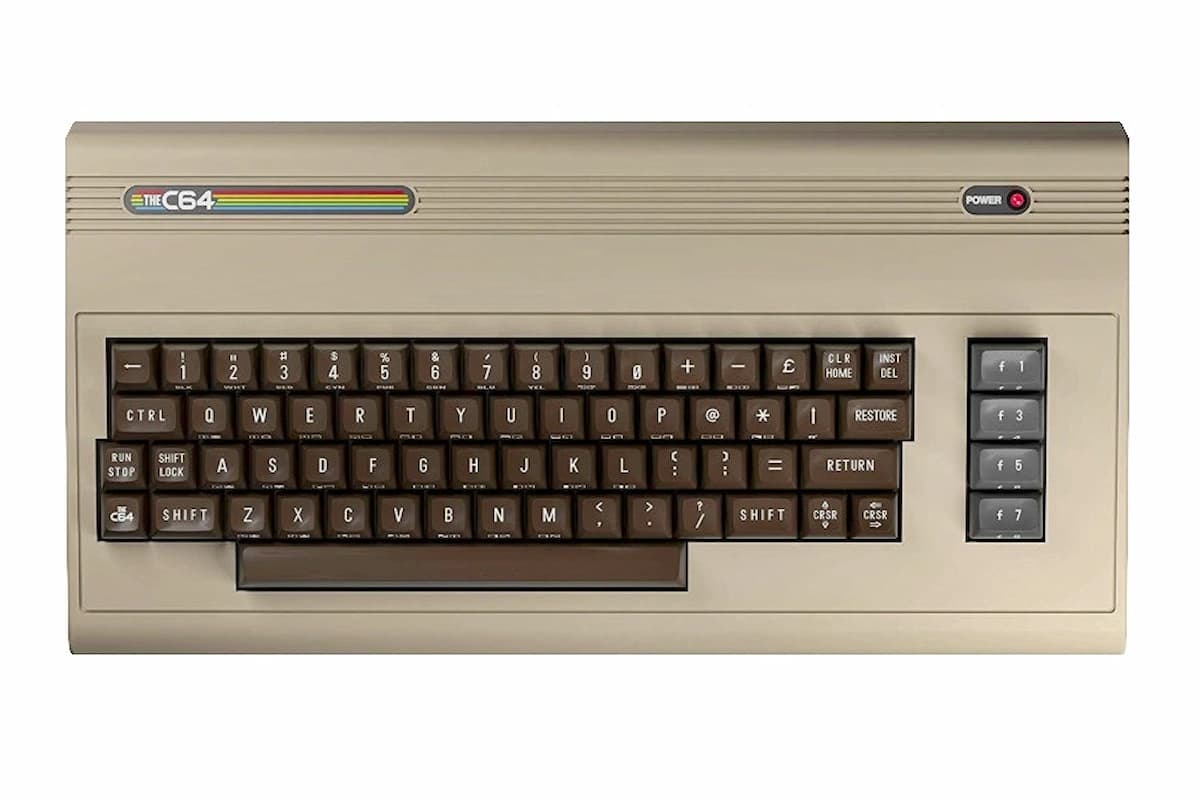
The MOS 8580, introduced in later C64c models, operates at 9 volts and uses a more refined manufacturing process. Its output is cleaner, with less background noise and more predictable filter behaviour. Some compositions sound better on the 8580 due to its accurate filter tracking, while others lose their charm without the 6581's organic imperfections. The debate over which chip sounds better remains one of the great holy wars of the retro computing community.
The 6581 also harboured a quirk that became one of the chip's most beloved features: the so-called sample bug. A flaw in the volume register allowed programmers to play digitised audio samples through the SID by rapidly modulating the master volume. This technique was used to stunning effect in games like Ghostbusters and Arkanoid, where sampled speech and sound effects seemed impossible on hardware of this specification. The 8580 largely corrected this flaw, making such tricks far more difficult to achieve.
| Feature | MOS 6581 | MOS 8580 |
|---|---|---|
| Voltage | 12V (NMOS) | 9V (HMOS) |
| Sound character | Warm, slightly distorted | Clean, precise |
| Filter | Variable, chip-specific | Consistent, predictable |
| Background noise | Higher | Lower |
| Sample bug | Present, exploitable | Largely corrected |
| Released | 1982 | 1987 |
6581 vs 8580: Hear the difference
Hear it for yourself: this video demonstrates the audible difference between the MOS 6581 and MOS 8580, playing the same SID tunes on both chips.
Modern SID Replacements
Original SID chips are becoming increasingly scarce and expensive, and ageing chips can develop faults over time. Several modern replacement solutions have been developed to allow C64 owners to keep their machines running and sounding great.
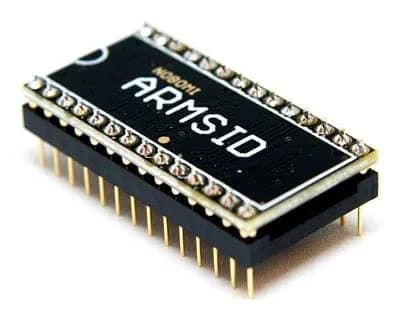
Drop-in replacement, 6581 + 8580 modes
ARM-based SID emulation in the original 28-pin socket. Switch between 6581 and 8580 modes without soldering.
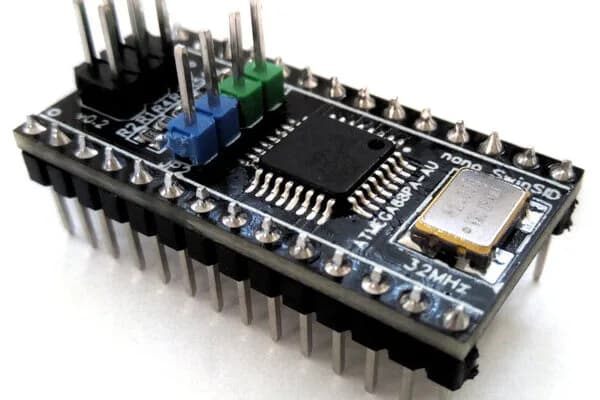
Compact AVR-based alternative
A smaller replacement that emulates core SID functionality. Requires a simple adapter for the pin socket.
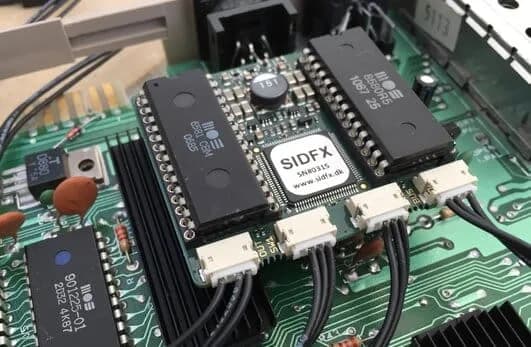
Dual SID for true stereo sound
Runs two SID chips simultaneously in one C64. Supports stereo SID music and switches between mono and stereo on the fly.
The Armsid is an ARM-based drop-in replacement compatible with both 6581 and 8580 modes, selectable via a switch. It faithfully emulates the characteristics of both chips and fits the original 28-pin socket without modification. The Swinsid Nano is a compact alternative based on an AVR microcontroller. Smaller than the original SID, it requires a small adapter but offers reliable emulation of core SID functionality.
The SIDFX PCB takes a different approach: it enables two SID chips (physical or emulated) to operate simultaneously in a single C64, producing true stereo sound. Stereo SID music has been composed specifically for such configurations, and the SIDFX can switch between mono and stereo modes to suit different software.
The Composers Who Made the SID Chip Legendary
What truly elevated the SID chip from a hardware component to a cultural icon was the extraordinary talent of the composers who mastered it. Rob Hubbard, arguably the most celebrated SID musician of all time, created scores of breathtaking compositions that pushed the chip to its absolute limits. His music for titles like Monty on the Run, Commando, and International Karate+ remains iconic.
Martin Galway brought a cinematic sensibility to C64 music, crafting memorable loading themes for Ocean Software including the haunting Rambo loader and the driving Green Beret title screen. Jeroen Tel, the Dutch prodigy, was composing professional SID music by the age of fifteen and contributed to over a hundred titles. Together with hundreds of other talented musicians, they built a body of work that continues to inspire the chiptune and demoscene communities today.
The High Voltage SID Collection (HVSC) preserves over 50,000 SID tunes, a testament to the extraordinary creative output this single chip inspired. You can download the full collection free of charge from the HVSC website. No other sound chip in computing history has generated such a vast, dedicated musical legacy.
50,000+ SID tunes, free to download
**** FREQUENTLY ASKED QUESTIONS ****
READY.
Explore the Commodore 64
Discover the history, models, and games that made the C64 a legend. From the original breadbin to modern recreations.
C64 history▶