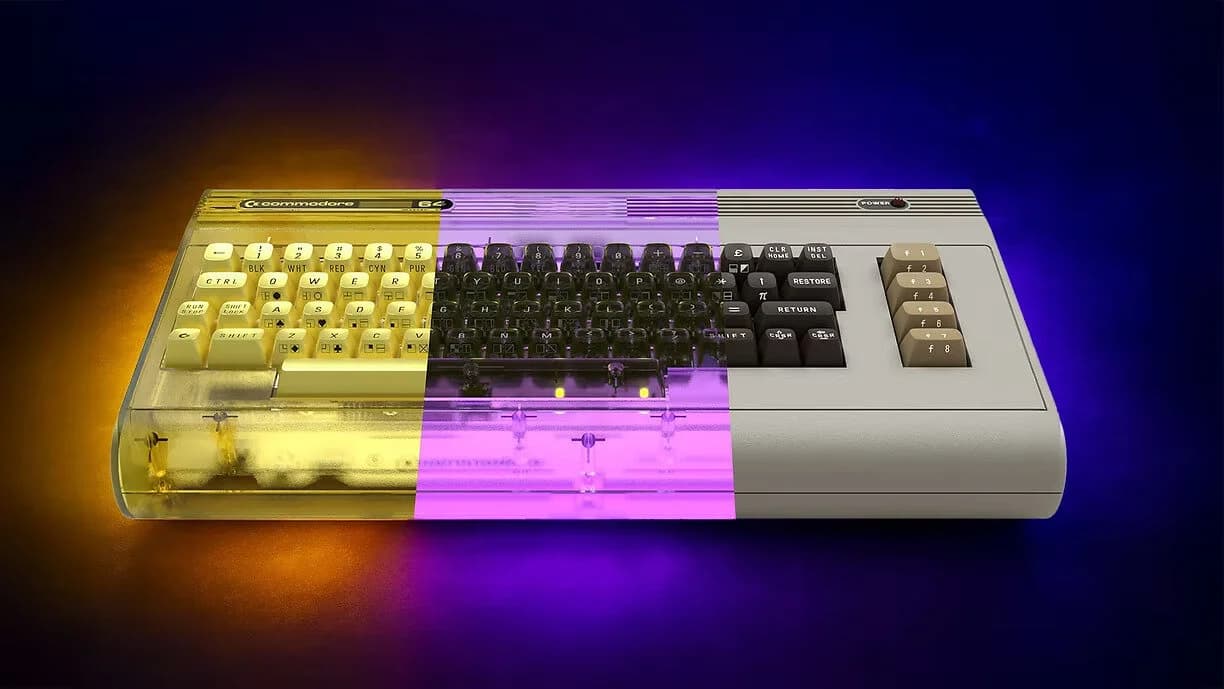
Commodore 64 History
From a revolutionary launch in 1982 to the best-selling home computer of all time
Commodore 64 History: The 1982 CES Launch
The best-selling home computer in history, with over 12.5 million units sold between 1982 and 1994.
The Commodore 64 was officially unveiled at the Consumer Electronics Show in Las Vegas in January 1982. Jack Tramiel, the founder of Commodore Business Machines, had built the company on a simple but powerful philosophy: computers for the masses, not the classes. The C64 was the ultimate expression of that vision.
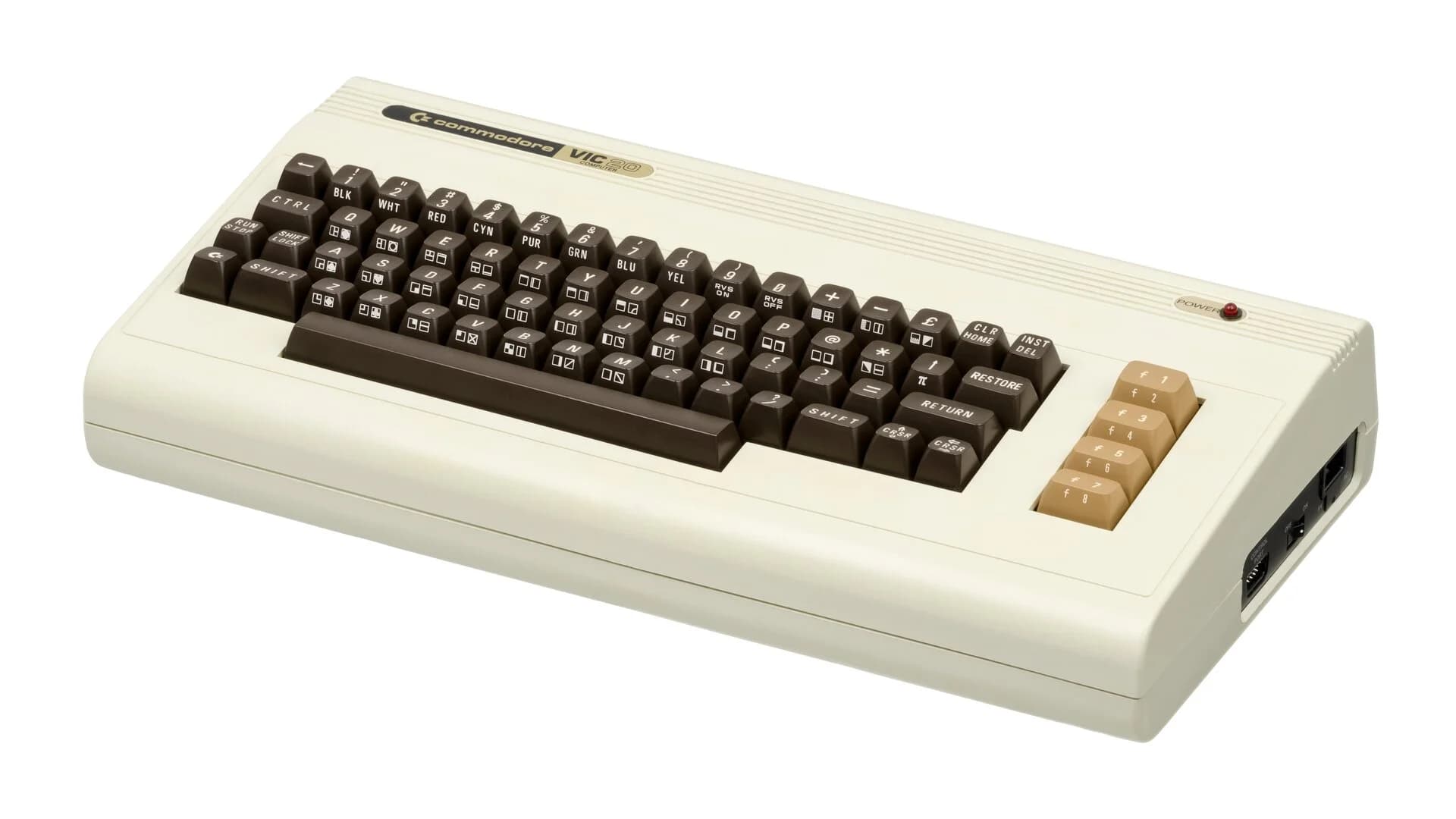
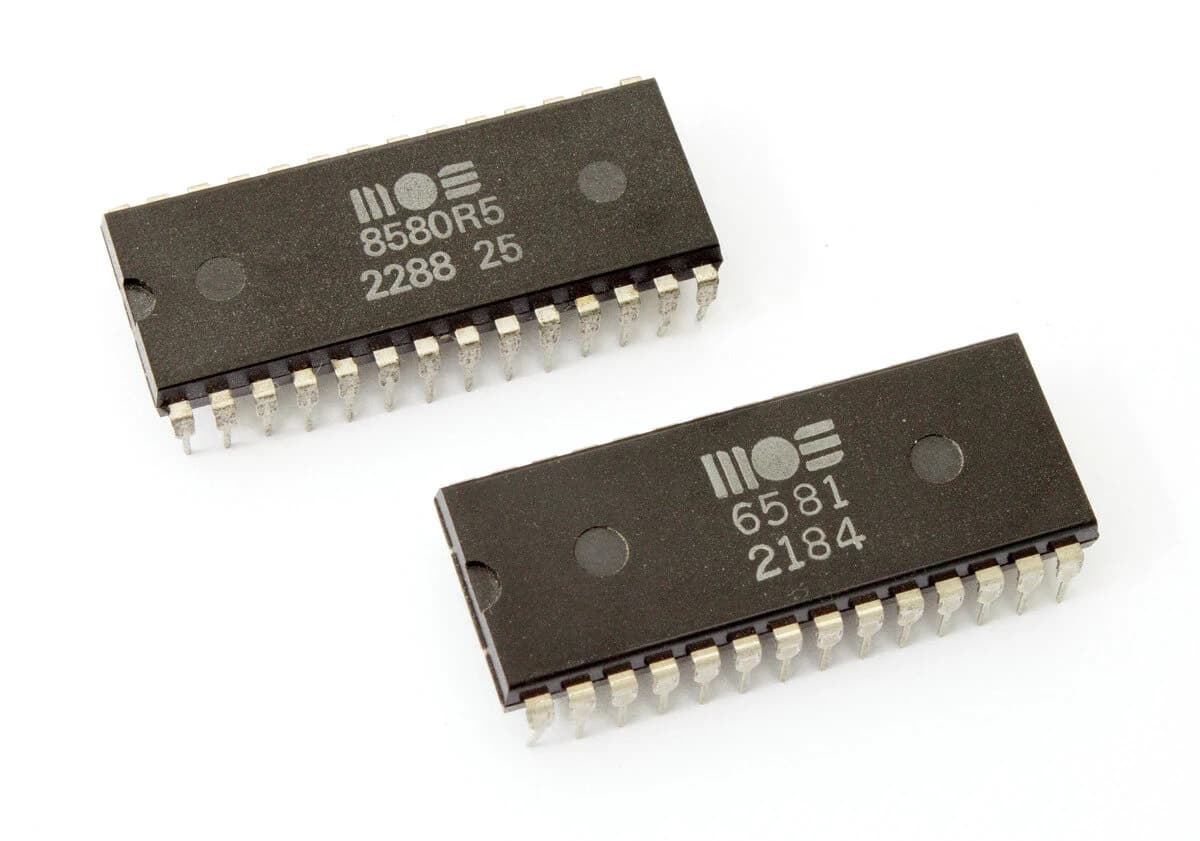
Its predecessor, the VIC-20, had already proven that Commodore could produce affordable home computers with genuine appeal. But the C64 took things to a completely different level. The machine came equipped with 64 kilobytes of RAM at a time when most home computers offered a fraction of that. More importantly, it was paired with two chips that would define its character entirely: the VIC-II video chip and the SID sound chip.
Shop on Amazon
Find Commodore hardware, games, books and accessories. Browse the full range on Amazon.
The C64's Revolutionary Hardware
The VIC-II, or Video Interface Chip II, could display 16 colours simultaneously and supported smooth hardware sprites, up to eight of them on screen at once. This made the C64 capable of arcade-quality games that simply weren't possible on competing machines. The MOS 6569 PAL version was used in Europe, while North America received the NTSC variant MOS 6567.
The SID chip (Sound Interface Device) was even more remarkable. Designed by Bob Yannes, it featured three independent oscillators, each capable of producing different waveforms: triangle, sawtooth, pulse, and noise. Each voice had its own ADSR envelope and could be filtered. The result was a richly expressive sound chip that attracted serious musicians and composers, who pushed it far beyond what its designers had imagined.
Commodore 64 Market Domination
At launch, the C64 carried a retail price of 595 US dollars. Within a year, aggressive price cuts had brought it within reach of millions of families. By the mid-1980s, the C64 had become the dominant home computer in many European markets and held a strong position in North America. Software publishers rushed to support it, and the library of available games and applications grew rapidly into the thousands.
Commodore's aggressive pricing strategy, sometimes selling the C64 at or below production cost, triggered what became known as the home computer price war of 1983. Competitors like Texas Instruments and Atari struggled to match these prices, and several were forced out of the market entirely. Jack Tramiel's ruthless business tactics proved devastatingly effective.
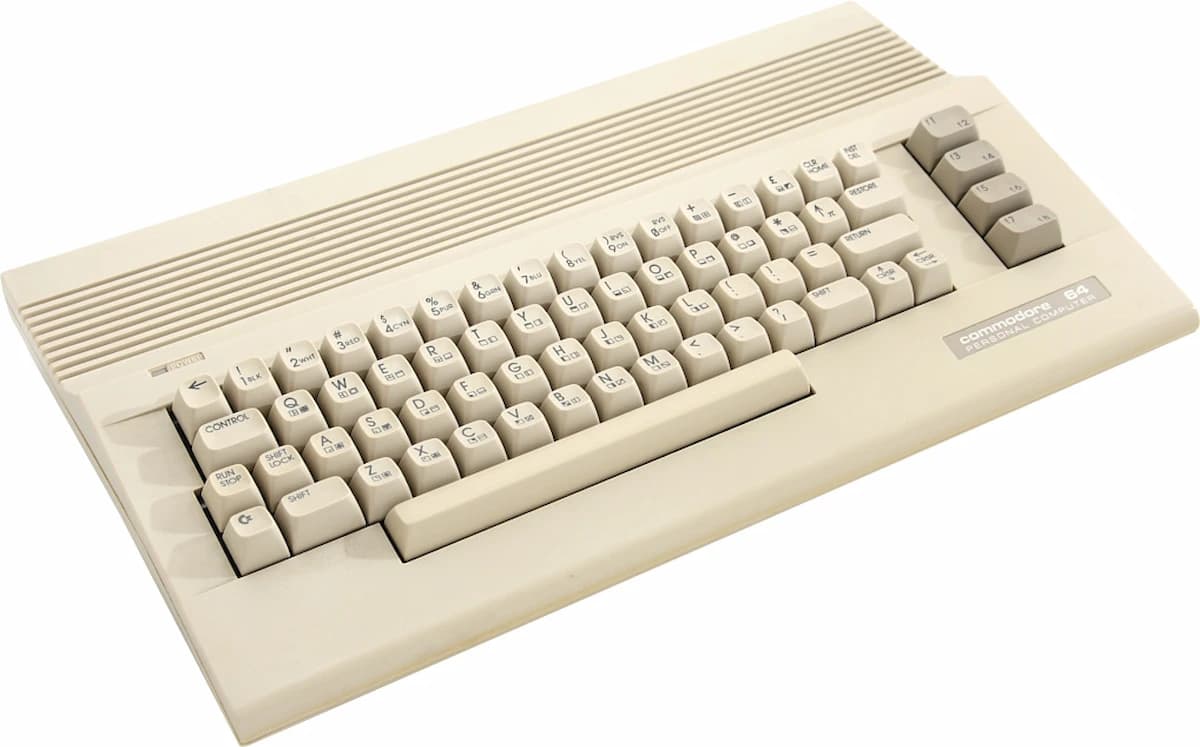
Twelve Years of Commodore 64 Production History
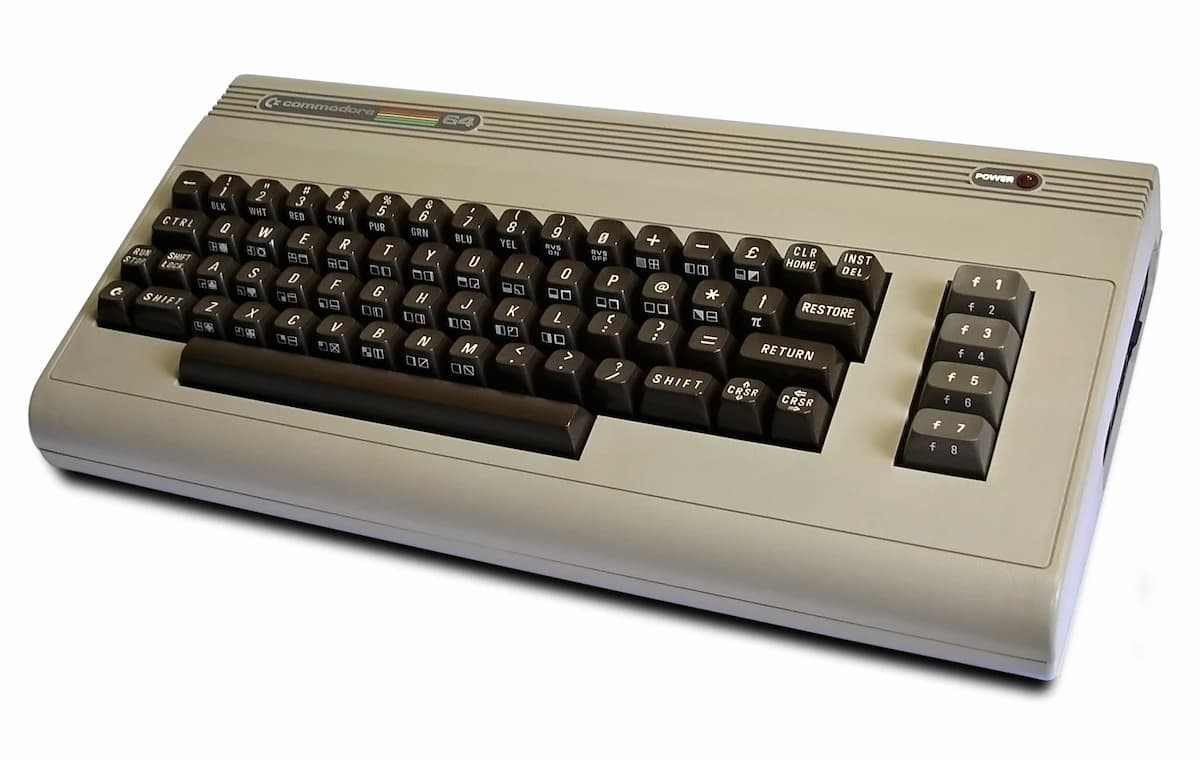
Production of the C64 continued until 1994, a remarkable twelve-year production run. During that time, the machine was updated cosmetically several times, producing variants including the original "breadbin" design, the slimmer C64c, and the games-console-style C64GS. Total sales exceeded 12.5 million units, a figure that has never been surpassed by any single home computer model.
The longevity of the C64 was no accident. Its combination of powerful hardware, vast software library, and affordable price created a self-reinforcing cycle. The more units sold, the more software was developed. The more software was available, the more attractive the machine became to new buyers. No competitor managed to break this cycle during the C64's peak years.
The Commodore 64 Legacy in Computing History
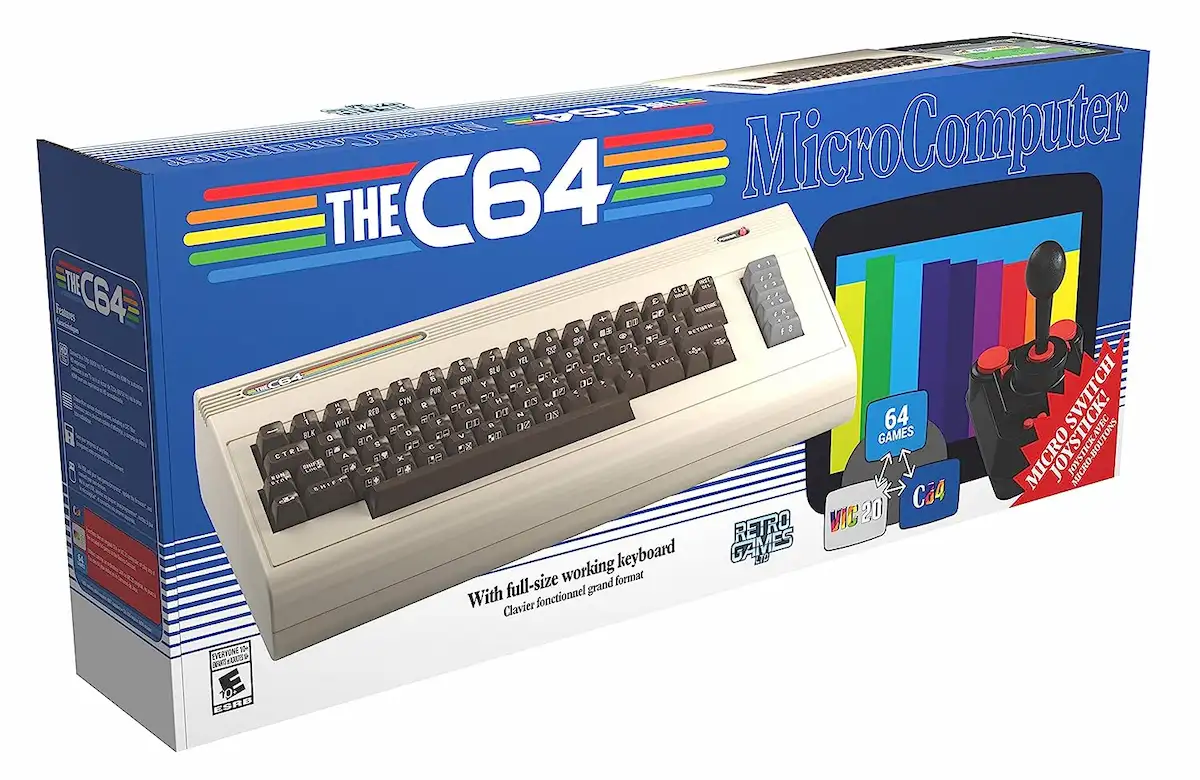
The legacy of the C64 endures to this day. An active community of enthusiasts continues to develop new software, hardware expansions, and music using the original hardware and its emulated equivalents. Modern recreations like the Commodore 64 Ultimate and THEC64 bring the C64 experience to new audiences, while emulators like VICE allow anyone to experience the machine's vast software library.
The machine that Jack Tramiel brought to market over forty years ago remains a living part of computing culture. Its influence can be seen in the demoscene, in chiptune music, in retro gaming, and in the countless developers and musicians who got their start on a C64. For many, it wasn't just a computer. It was the beginning of a lifelong passion.
**** FREQUENTLY ASKED QUESTIONS ****
READY.
Explore the Commodore 64
From the original breadbin to modern recreations, the C64 story continues today. Explore every model, emulator, game and piece of hardware that made it the world's best-selling home computer.
All C64 models▶