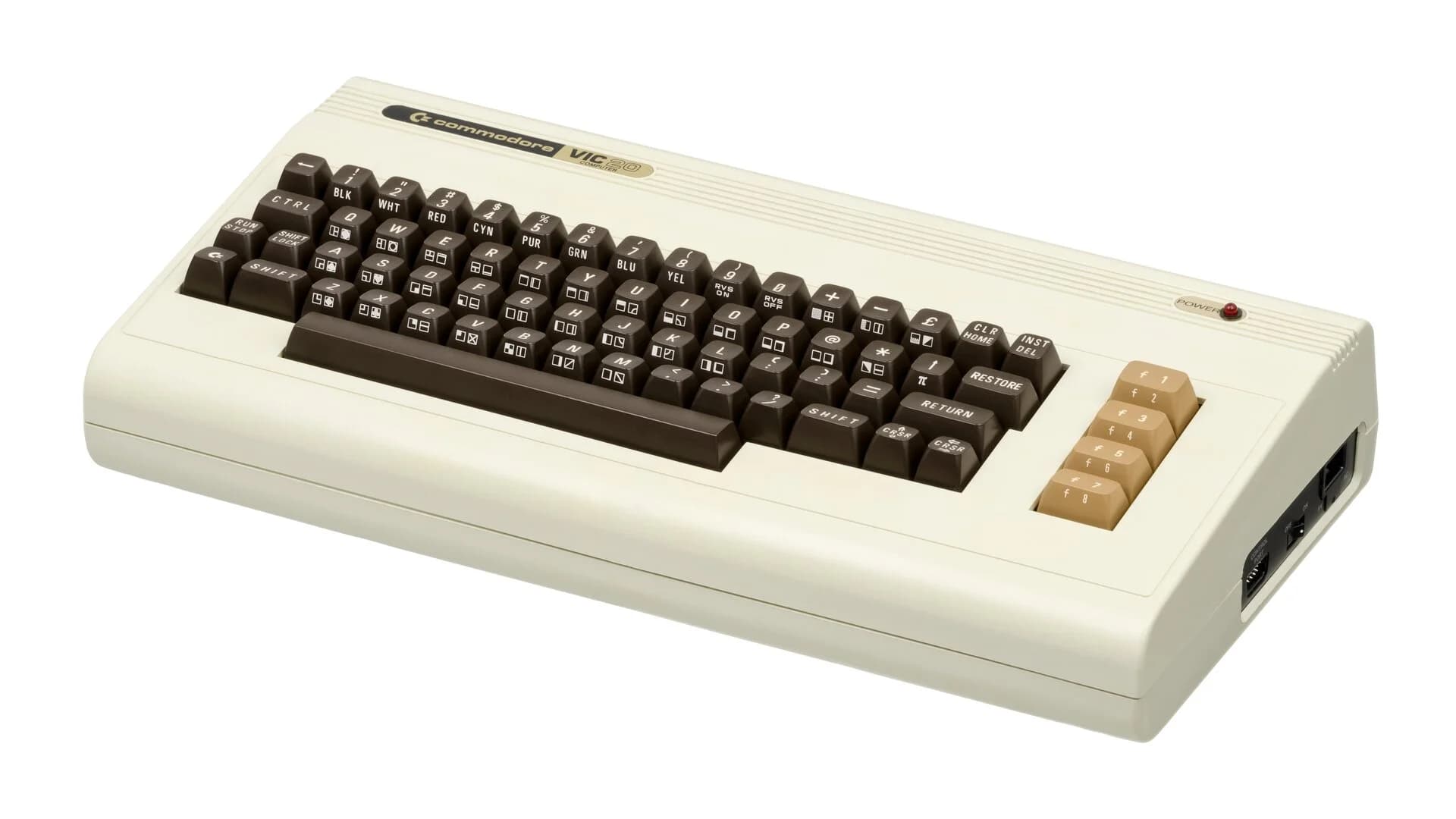
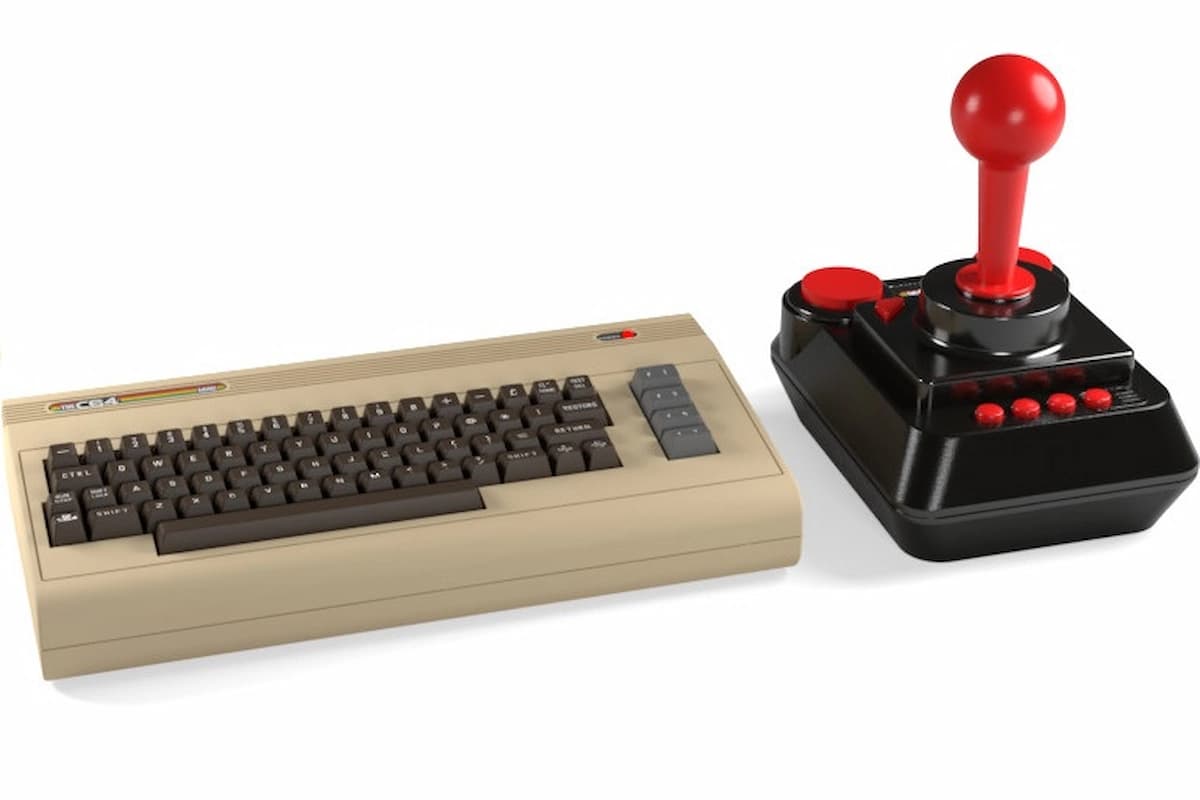
BASIC Beige
Classic C64C colour scheme
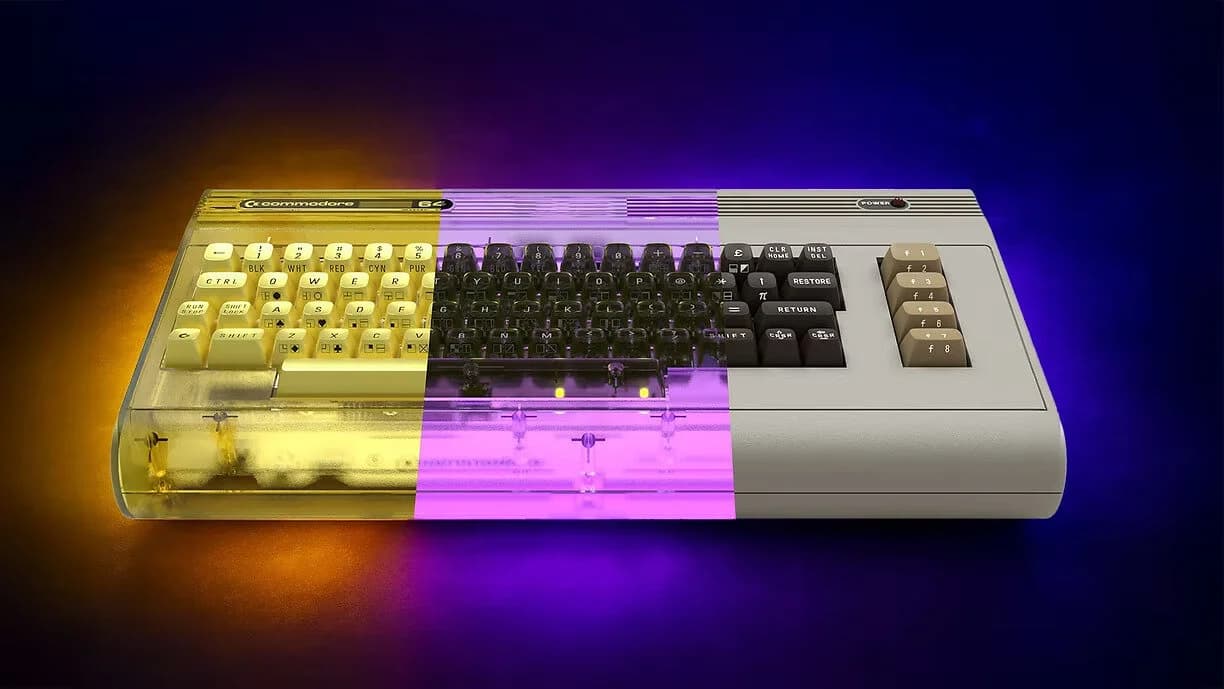
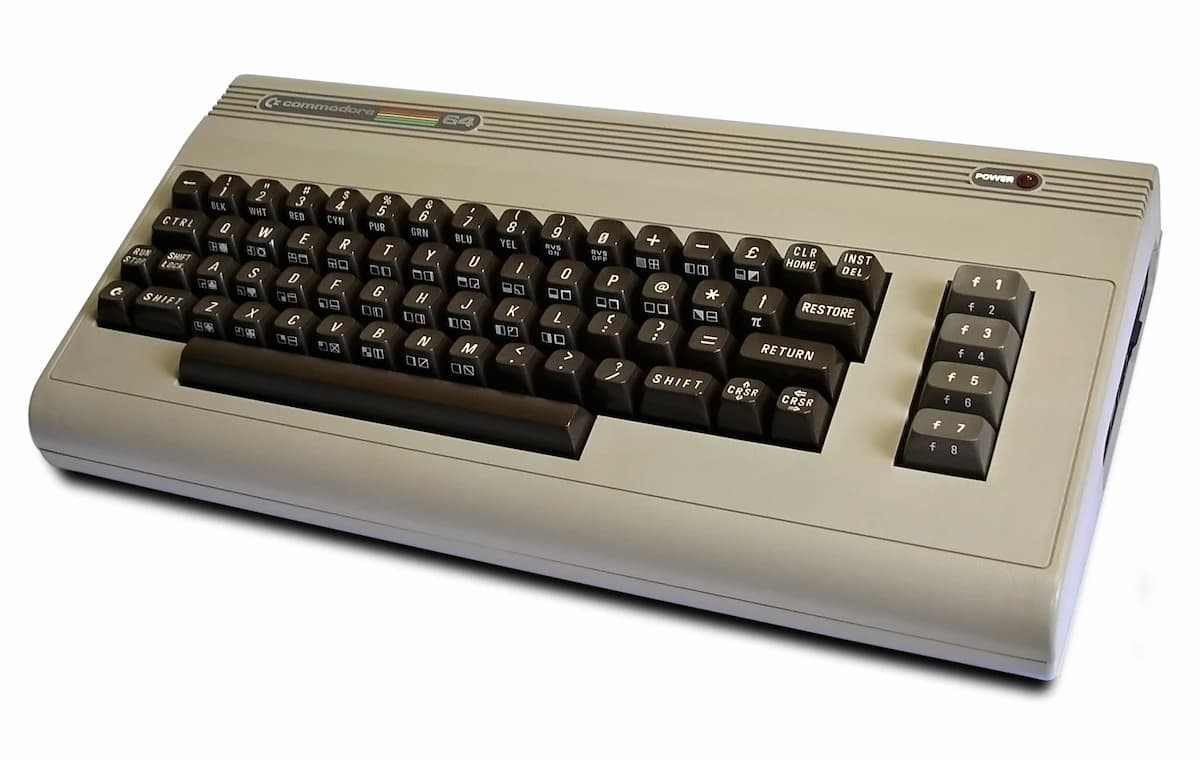
The BASIC Beige edition reproduces the original C64C colour scheme: the same light beige that distinguished the slimline model from the original breadbin. If you want the authentic 1986 look, this is it.
The iconic slimline C64 case, reborn with FPGA hardware
The iconic slimline C64 case, reborn with FPGA hardware
The Commodore 64C Ultimate is the latest addition to the official Commodore Ultimate line. It brings the classic Commodore 64 experience to the slimline C64C case that millions of users knew from the late 1980s. Like its breadbin counterpart, this is not a software emulator. It is a full FPGA-based reimplementation of original Commodore 64 hardware, built for the modern world.
Pre-order the C64CU on commodore.net▶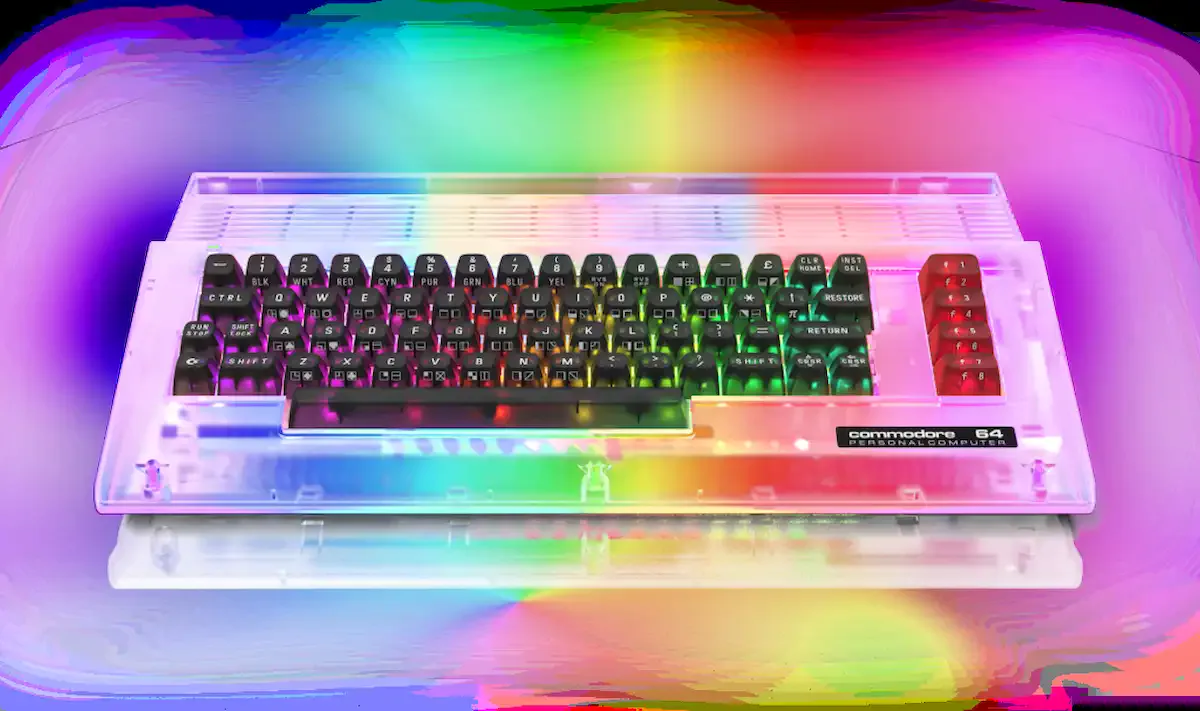
Shop on Amazon
Find Commodore hardware, games, books and accessories. Browse the full range on Amazon.
The Commodore 64C Ultimate, or C64CU, is a complete standalone computer that combines the classic Commodore 64 experience with modern hardware. At its core sits an AMD Xilinx Artix-7 FPGA that recreates the original 6510 CPU, VIC-II graphics chip and SID audio chip at gate level. This is hardware-level accuracy, not software simulation.
Because the original circuits are recreated in the FPGA rather than emulated in software, timing and behaviour are very close to a real 1982 Commodore 64. Compatibility with original cartridges, disks, tapes and peripherals is extremely high, and input latency is virtually zero compared to software-based approaches.
The C64CU sits on top of the same FPGA platform as the Commodore 64 Ultimate. The only real difference is the case: the C64CU uses the slimmer C64C design introduced in 1986, while the C64U uses the original breadbin shape from 1982. Same hardware inside, different outside.
The C64C form factor was introduced by Commodore in 1986 as a sleeker, more modern-looking version of the original machine. Where the breadbin had a rounded, wedge-shaped body, the C64C had a flat, angular profile closer in style to the Amiga 500. It became the dominant version of the Commodore 64 sold between 1986 and 1994.
For many users, the C64C is the Commodore they actually grew up with. The C64CU brings that specific case design back as a fully modern FPGA computer, so collectors and enthusiasts who want the slimline look have a dedicated option alongside the breadbin C64U.
Commodore founder Christian Simpson, known as Perifractic, personally collected the original C64C case moulds. Watch the moment the iconic slimline design came back into Commodore hands.
The C64CU is available in three editions. Every edition shares the same FPGA mainboard and software, so performance and compatibility are identical across all three. The choice comes down to aesthetics and collectibility.
Classic C64C colour scheme
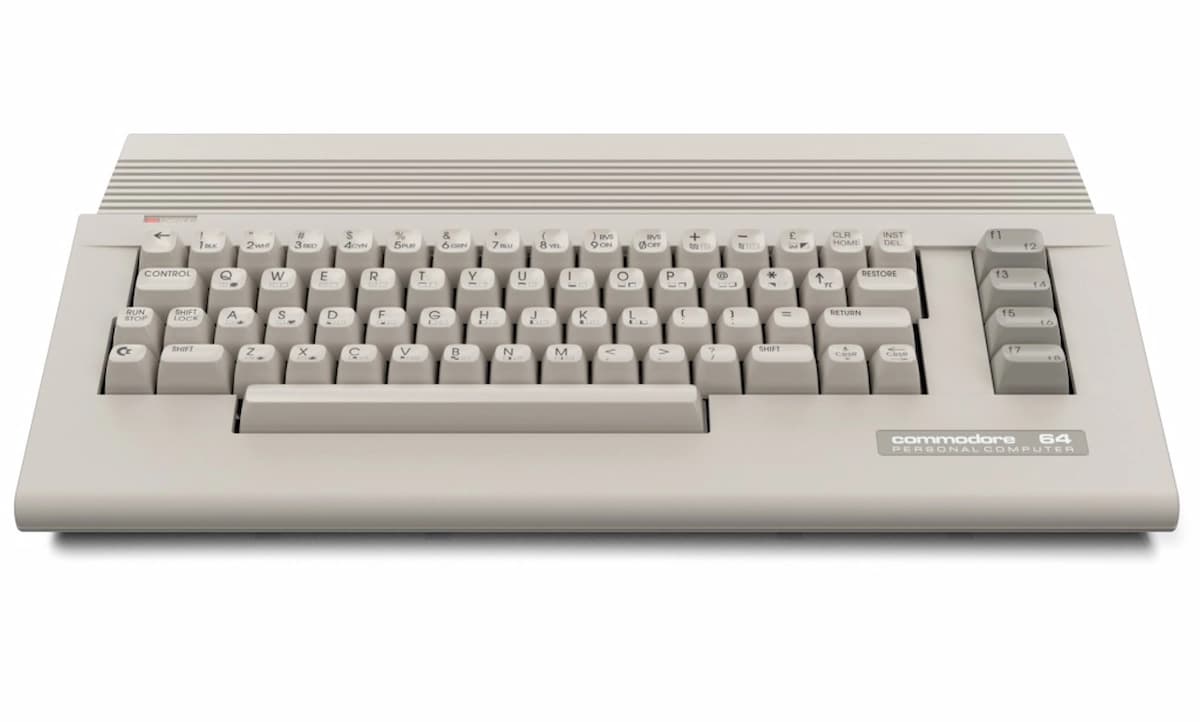
The BASIC Beige edition reproduces the original C64C colour scheme: the same light beige that distinguished the slimline model from the original breadbin. If you want the authentic 1986 look, this is it.
Transparent case with RGB lighting
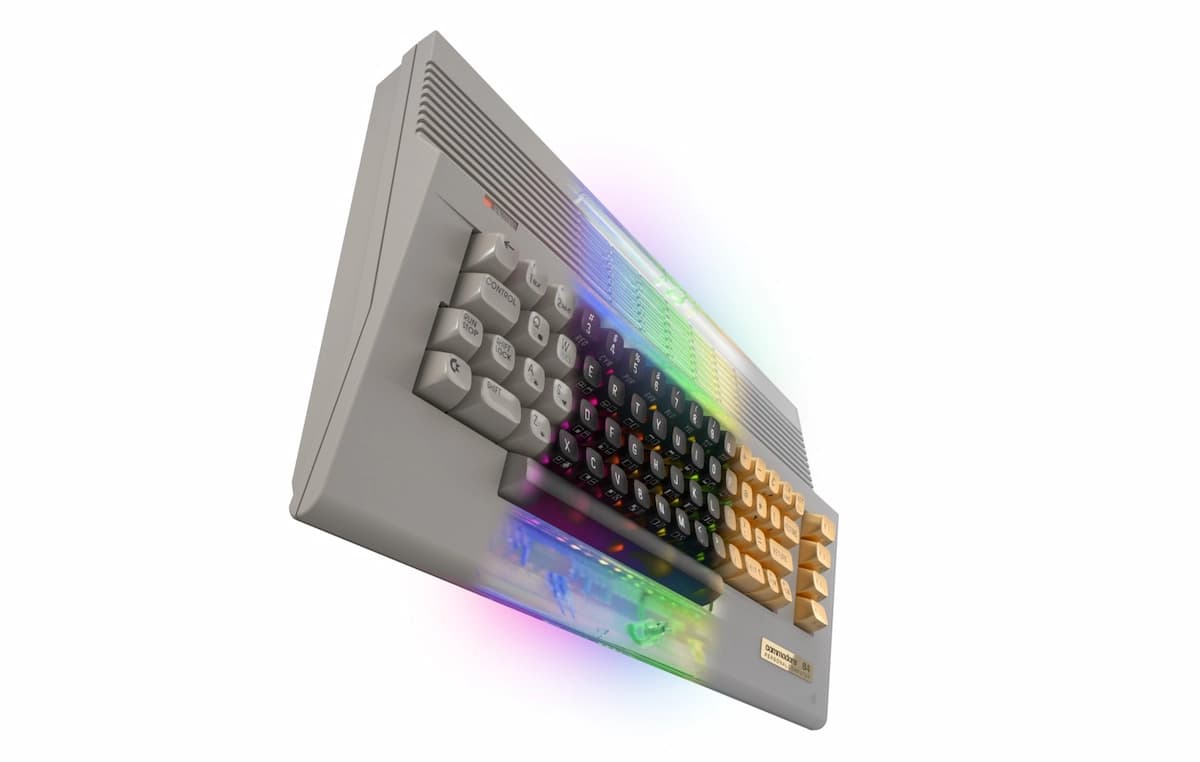
The Starlight Edition puts a clear transparent case around the C64CU hardware, with integrated RGB lighting that responds to system activity and audio output. The colour patterns and brightness are fully configurable through the on-screen menu.
Exclusive collector version with premium finish
The Founders Edition is the premium collector option, featuring high-quality finishes and exclusive extras for early supporters. Limited availability, designed for enthusiasts who want the most complete version of the C64CU.
You grew up with the slimline C64C, not the original breadbin. The C64CU gives you a modern FPGA machine in exactly the case design you remember, with all the original ports and full software compatibility.
You already have or want the breadbin C64U, and you want the complete Commodore Ultimate picture. The C64CU is the companion piece: same platform, different design era.
You want to experience the Commodore 64 for the first time with reliable modern hardware. The C64CU connects over HDMI, loads games from USB or the network, and needs no tinkering to get started.
You appreciate the engineering behind FPGA-based hardware accuracy. The C64CU runs original software at cycle-accurate speed, accepts real cartridges and peripherals, and sits on your desk as a proper computer.

Finding a working original C64C today means hunting on second-hand markets for hardware that is nearly forty years old. Capacitors fail, keyboard membranes dry out, and the original power supplies are a known risk. The C64CU solves all of that in a single product that connects to a modern TV over HDMI, loads from USB and network storage, and still accepts your original cartridges and peripherals.
The C64C case has always had its own following. Its flatter, more angular design appealed to users who wanted something that looked a bit more current in the late 1980s. The C64CU honours that preference directly, rather than treating the slimline variant as an afterthought.
Three products share similar names and the same core FPGA technology, but they are not the same thing. Here is how they compare.
| C64CU | C64U | Ultimate 64 | |
|---|---|---|---|
| Case design | Slimline C64C (1986) | Classic breadbin (1982) | Uses your existing C64 case |
| Type of product | Complete standalone computer | Complete standalone computer | Motherboard replacement only |
| FPGA technology | AMD Xilinx Artix-7 | AMD Xilinx Artix-7 | AMD Xilinx Artix-7 |
| Keyboard included | Integrated mechanical (Gateron) | Integrated mechanical (Gateron) | Uses your original C64 keyboard |
| HDMI output | 1080p, 50 Hz PAL and 60 Hz NTSC | 1080p, 50 Hz PAL and 60 Hz NTSC | 1080p, 50 Hz PAL and 60 Hz NTSC |
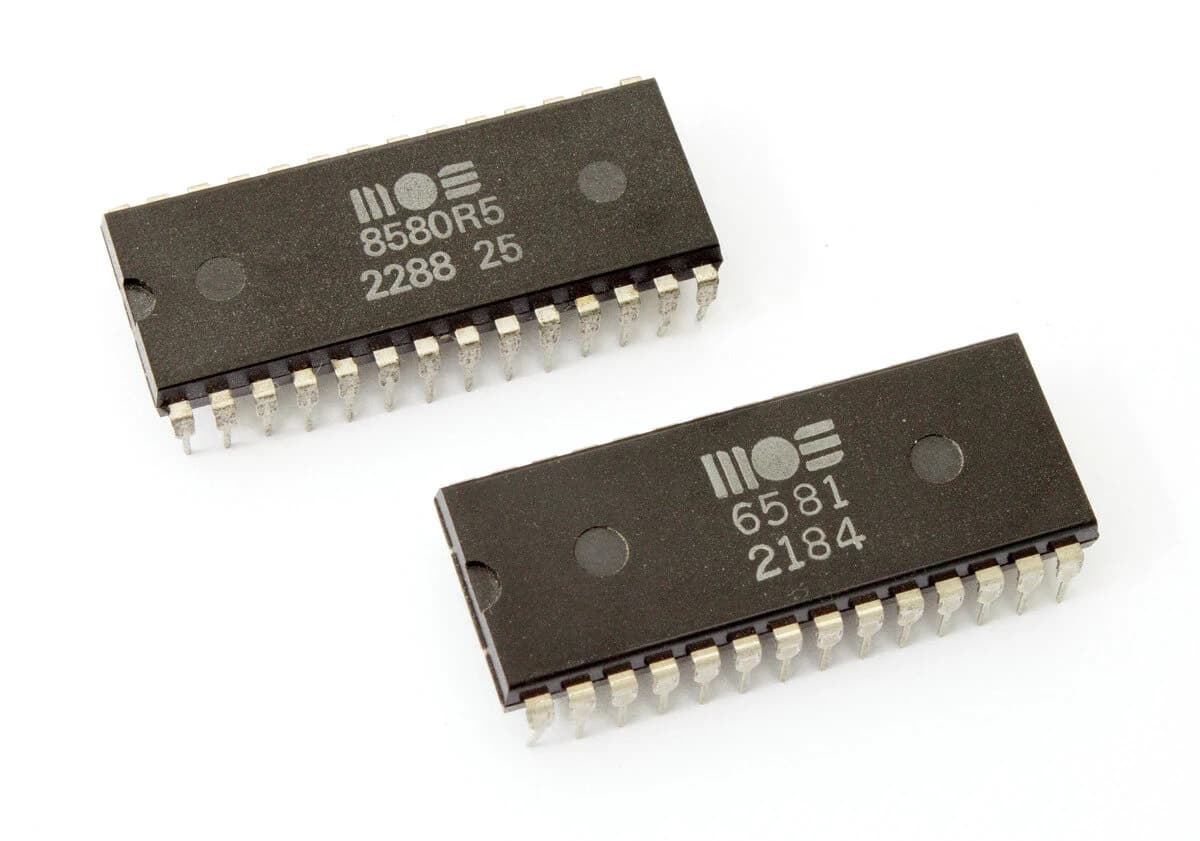
| Real SID sockets | 2 ZIF sockets for 6581 and 8580 | 2 ZIF sockets for 6581 and 8580 | 2 ZIF sockets for 6581 and 8580 |
| Setup required | Plug in and use | Plug in and use | Install into original C64 housing |
| Official Commodore product | Yes | Yes | No, third-party hardware |
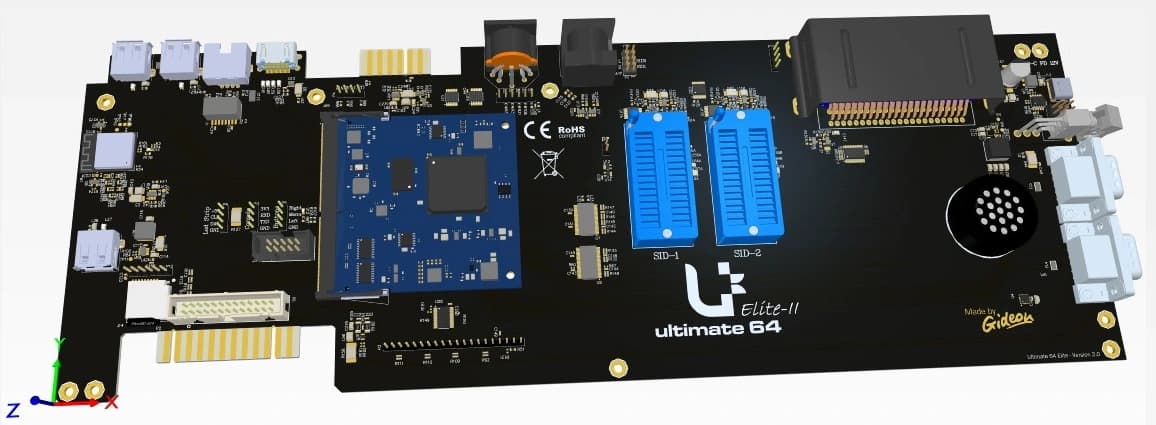
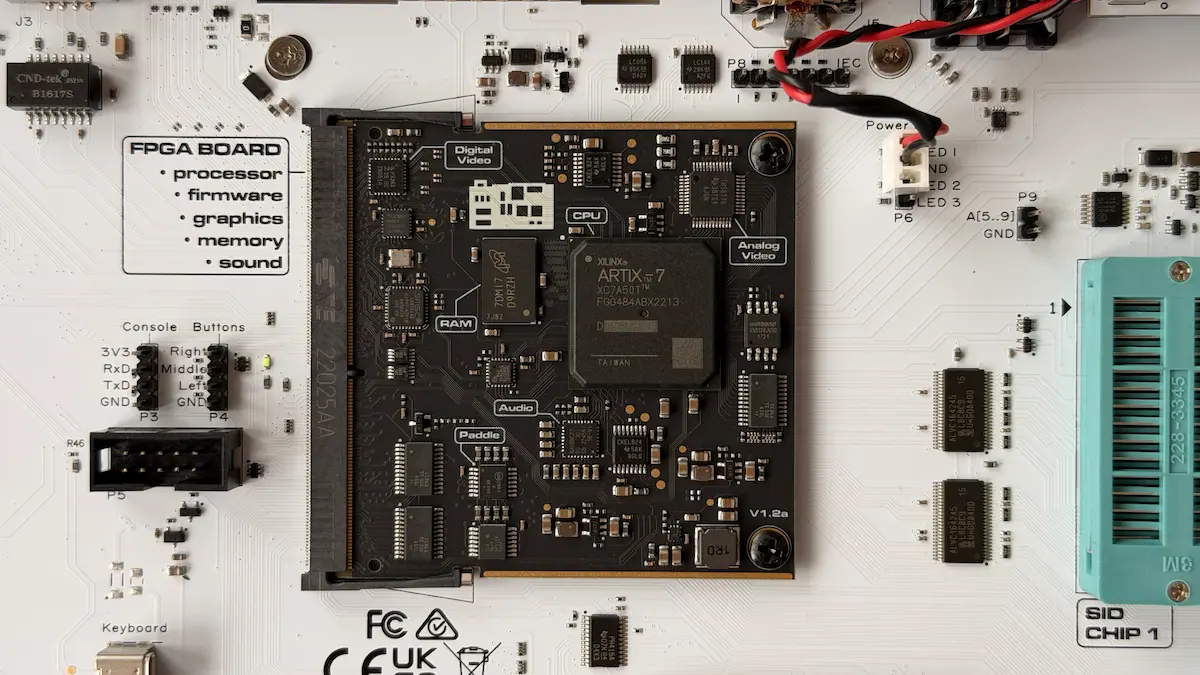
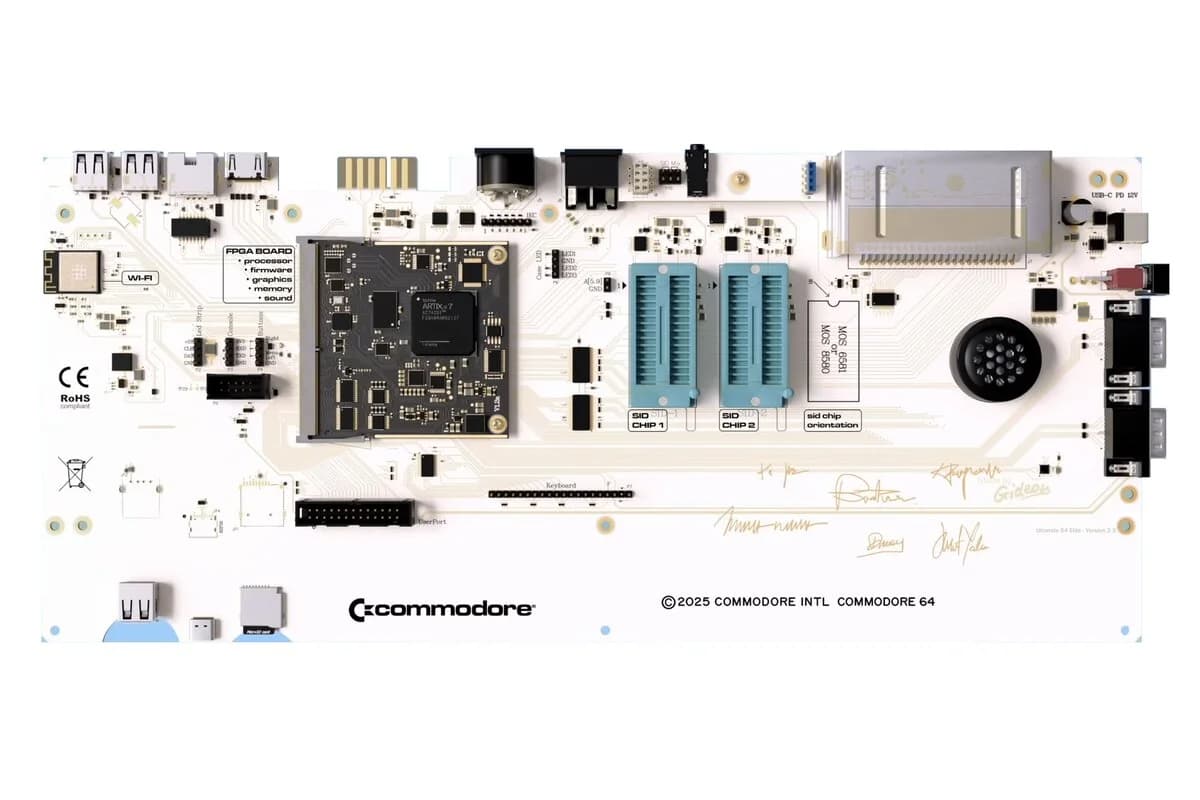
The C64CU mainboard features the AMD Xilinx Artix-7 FPGA, dual ZIF sockets for original SID chips, and 128 MB DDR2 memory. The same core platform as the Commodore 64 Ultimate, fitted into the slimline C64C chassis.
| FPGA | AMD Xilinx Artix-7 |
| RAM | 128 MB DDR2 |
| System memory | 16 MB |
| REU | 16 MB |
| GeoRAM | 16 MB |
| RAM-disk | Remaining DDR2 space |
| Flash storage | 16 MB NOR flash |
| HDMI | Up to 1080p |
| Refresh rate | 50 Hz PAL and 60 Hz NTSC |
| Input lag | Very low |
| DVI | Compatible via HDMI |
| Analog | 8-pin DIN: CVBS, S-Video, RGB |
| SID sockets | 2 sockets, 6581 and 8580 compatible |
| SID detection | Automatic voltage and filter detection |
| FPGA SID | Emulation with multiple channel support |
| Outputs | 3.5 mm audio jack and optical S/PDIF |
| Keys | 66 mechanical keys |
| Switches | Gateron |
| Rollover | NKRO (all keys simultaneously) |
| Layout | Original C64 key layout |
| Macros | Supported |
| USB | 3 x USB-A and 1 x USB-C |
| Internal storage | MicroSD slot |
| Network | Ethernet and Wi-Fi |
| Cartridge port | Full compatibility |
| Datasette port | 6-pin Datasette connector |
| Disk drive | IEC DIN for 1541 and compatible drives |
| Joystick ports | 2 x DB9 |
| User port | Included |
| USB storage | FAT, FAT32, exFAT |
| File formats | .D64, .D71, .D81, .G64, .T64, .TAP, .PRG, .ROM, ISO-9660 |
| Cartridge images | .CRT supported |
The C64CU comes with a fully mechanical keyboard built directly into the C64C chassis. It uses 66 keys arranged in the original Commodore 64 layout, so muscle memory from the classic machine transfers immediately. The keys use Gateron switches, which give a clean, tactile response and are rated for tens of millions of keystrokes.
N-Key Rollover means every key registers independently, so fast typing and gaming never lose inputs. Macro support lets you assign custom sequences to any key, useful for productivity and for loading favourite software quickly. The keyboard is not an add-on. It is part of the machine, exactly as Commodore intended in 1986.
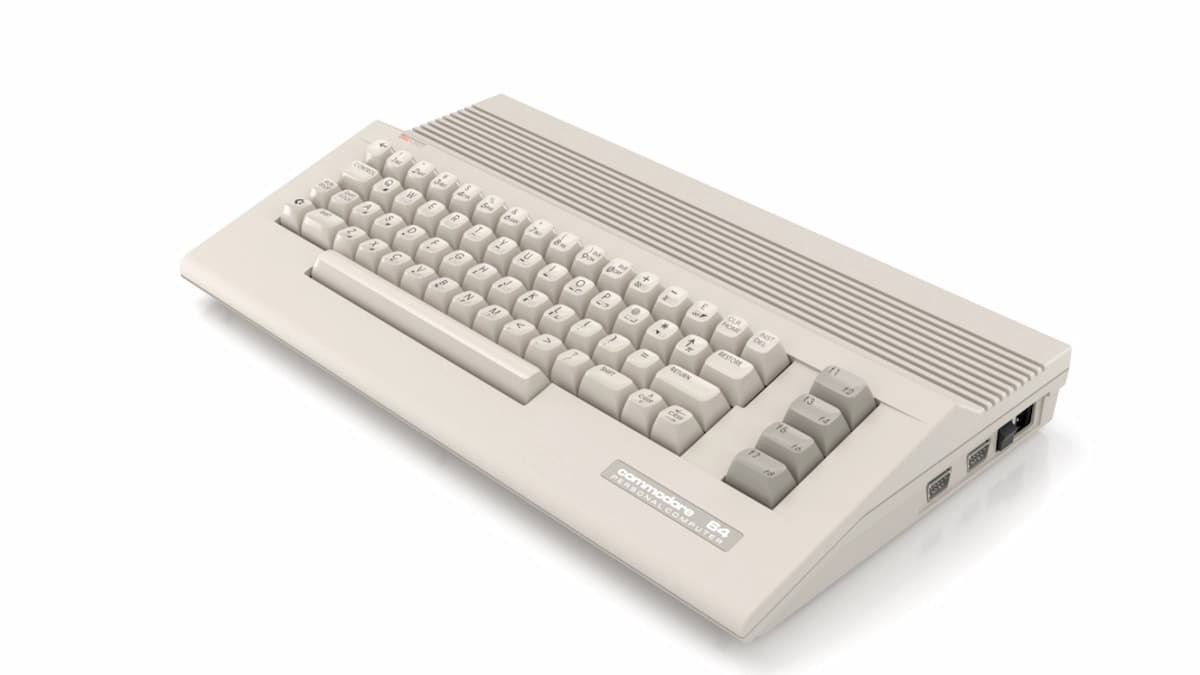
Every C64CU ships complete. You need nothing else to get started beyond a monitor or TV with an HDMI input.
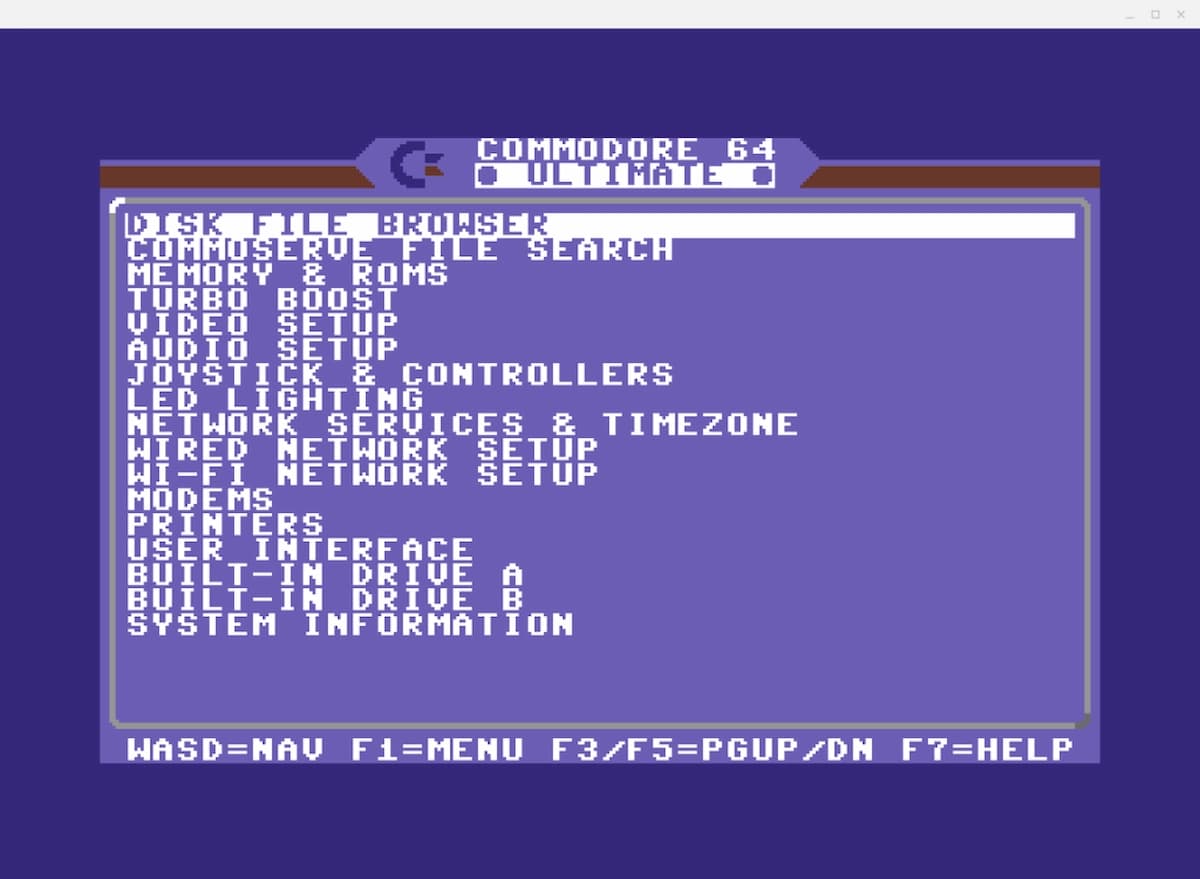
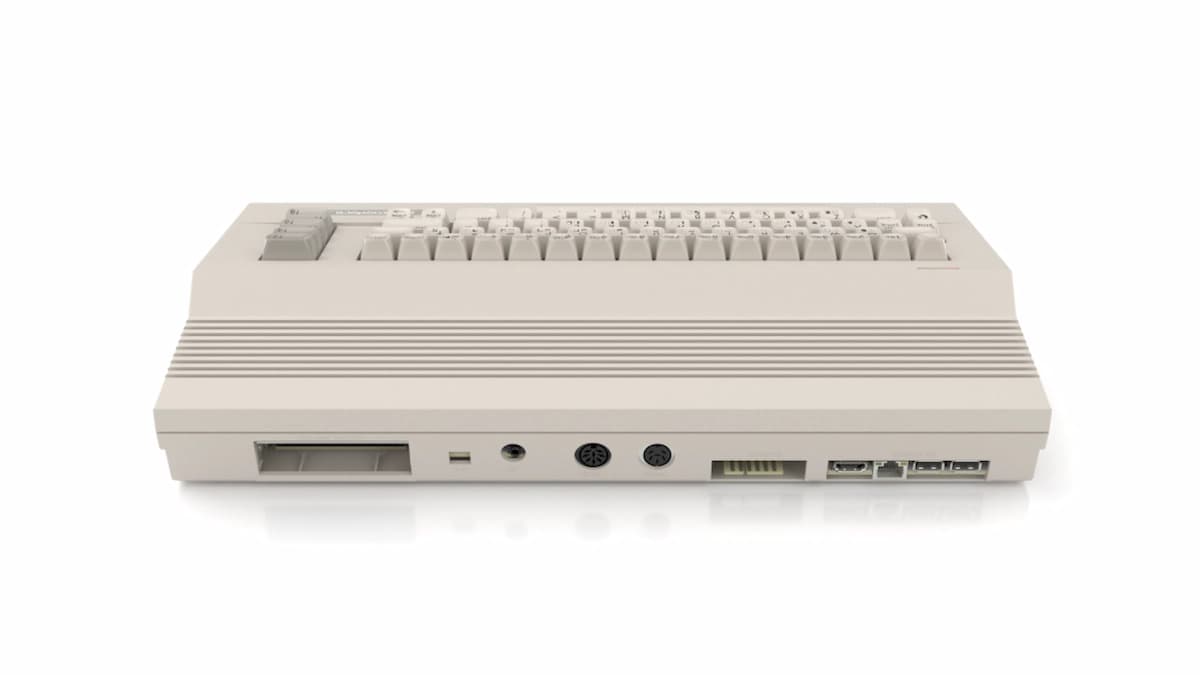
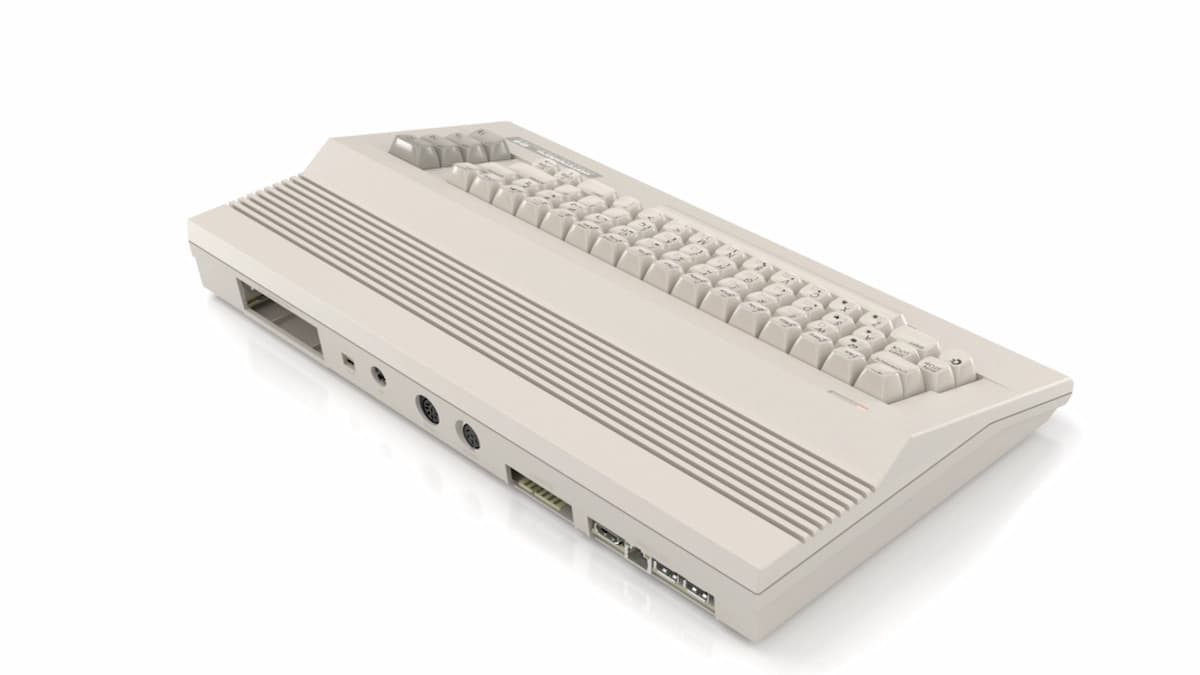
The rear of the C64CU gives you HDMI for any modern display, three USB-A ports and one USB-C port for storage and accessories, a MicroSD slot, built-in Ethernet and Wi-Fi, and the full set of classic Commodore ports: cartridge, IEC disk drive, Datasette and two DB9 joystick connectors. The User port is also present.
You can plug in a real 1541 floppy drive, connect original Competition Pro joysticks, or load games directly over the network. The C64CU works with both the modern and the vintage sides of your collection.
READY.
The Commodore 64C was the machine that millions of users in the late 1980s actually bought. Its slimmer profile sat on desks and in bedrooms across Europe and beyond. The C64CU brings that specific machine back as real hardware, with modern connectivity and the accuracy that only FPGA can deliver. Pre-orders are open now, with first deliveries expected around September 2026.
Pre-order the C64CU on commodore.net▶Note: the link above includes a referral code. Always verify current pricing, availability and shipping terms directly on commodore.net before ordering.