Commodore 64C
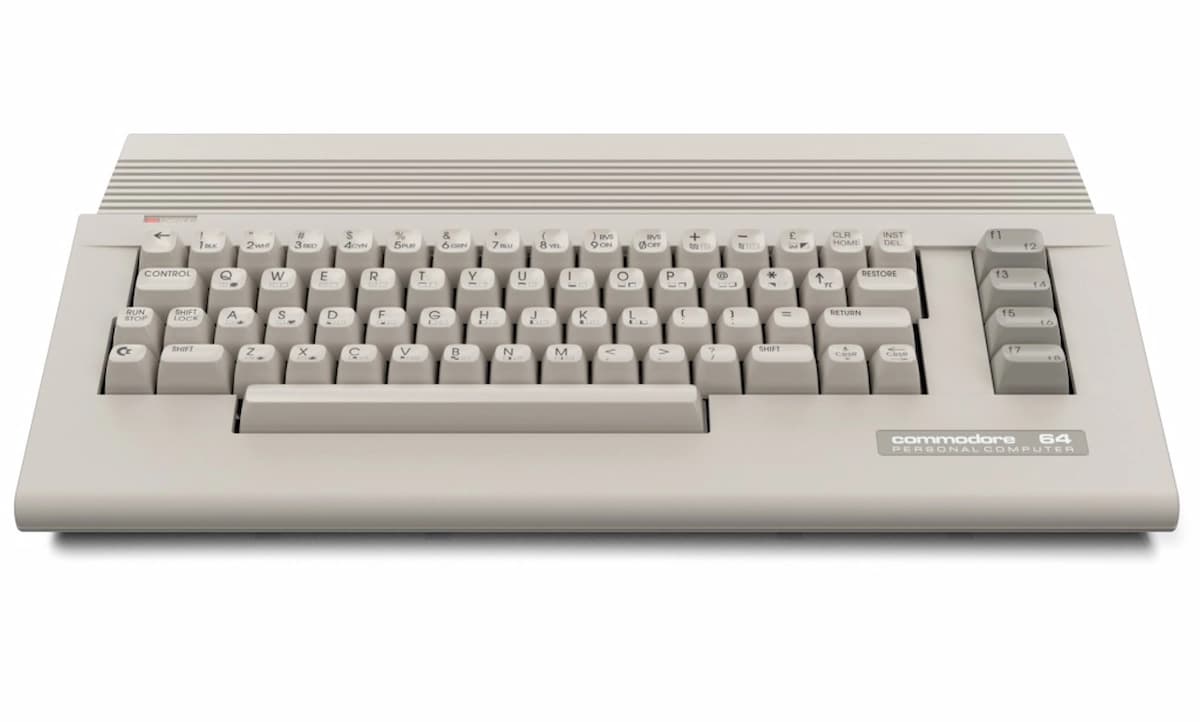
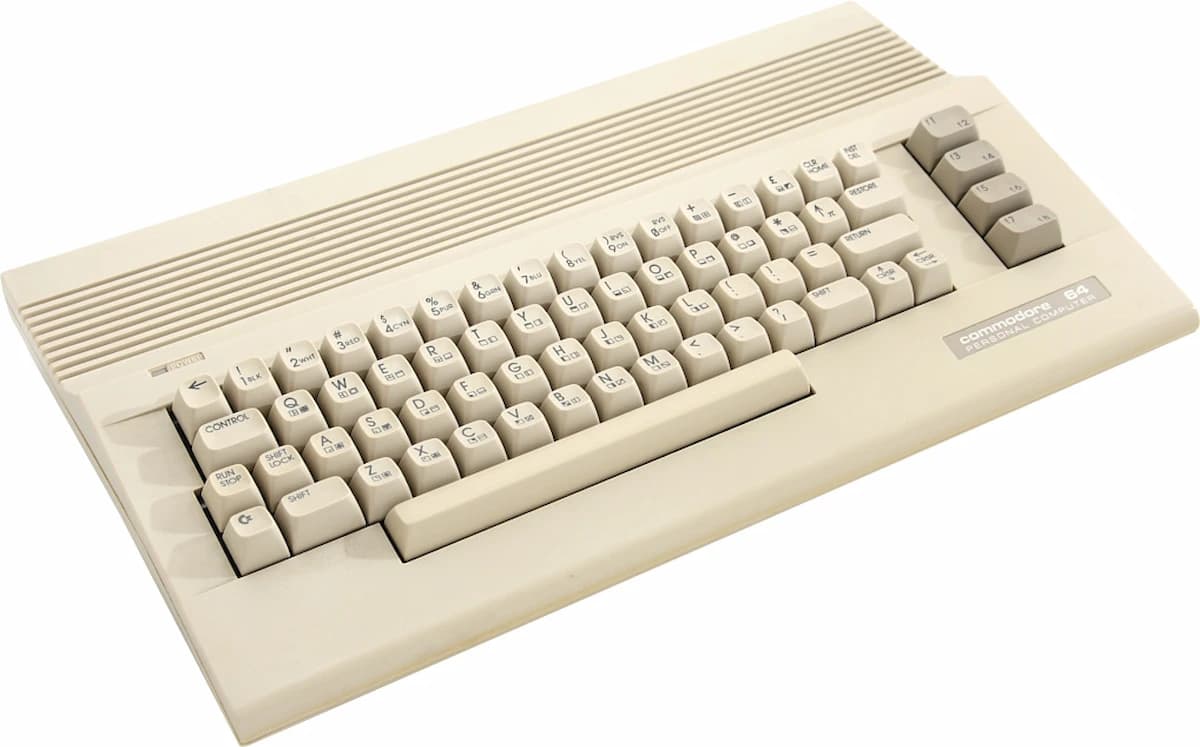
The flat, angular C64 from 1986 that matched the Amiga 500 design
The C64C: A Modern Look for a Classic Machine
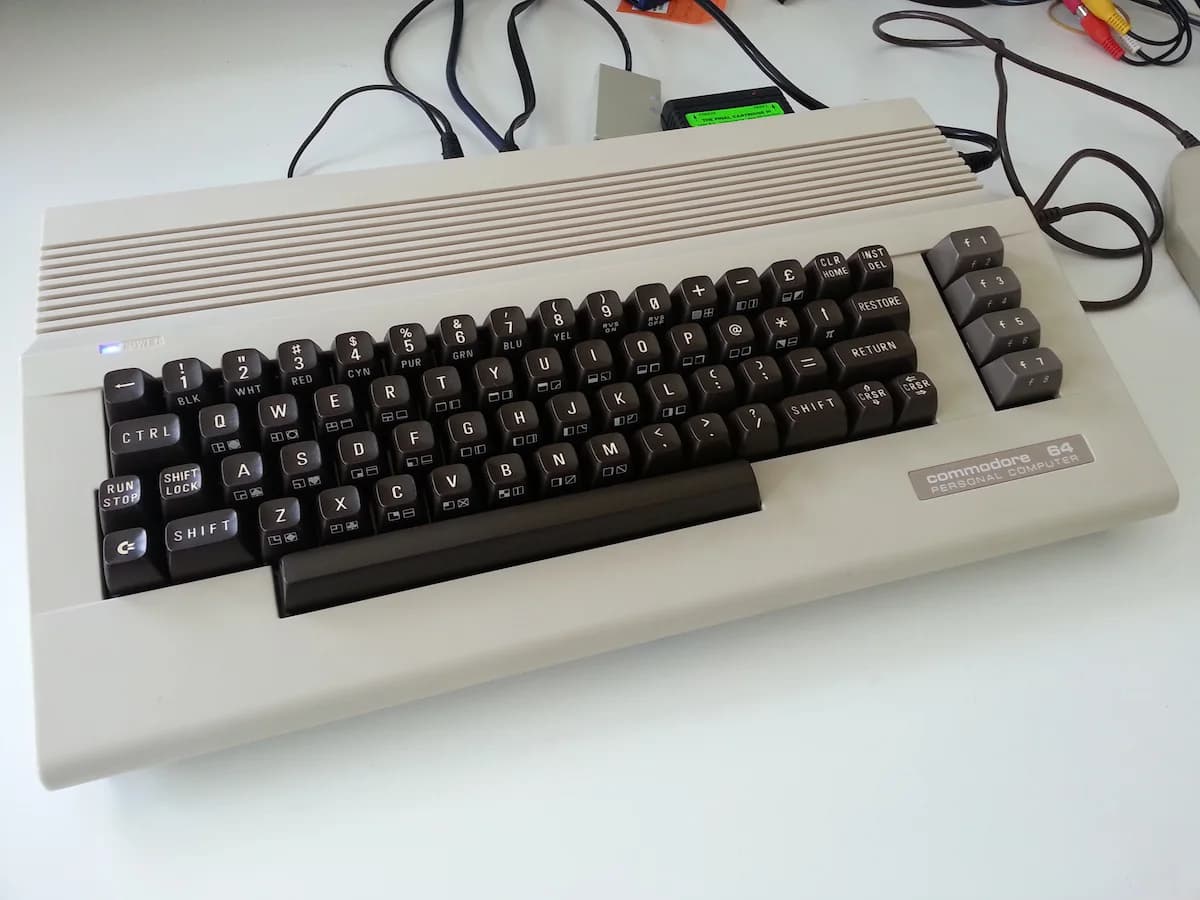
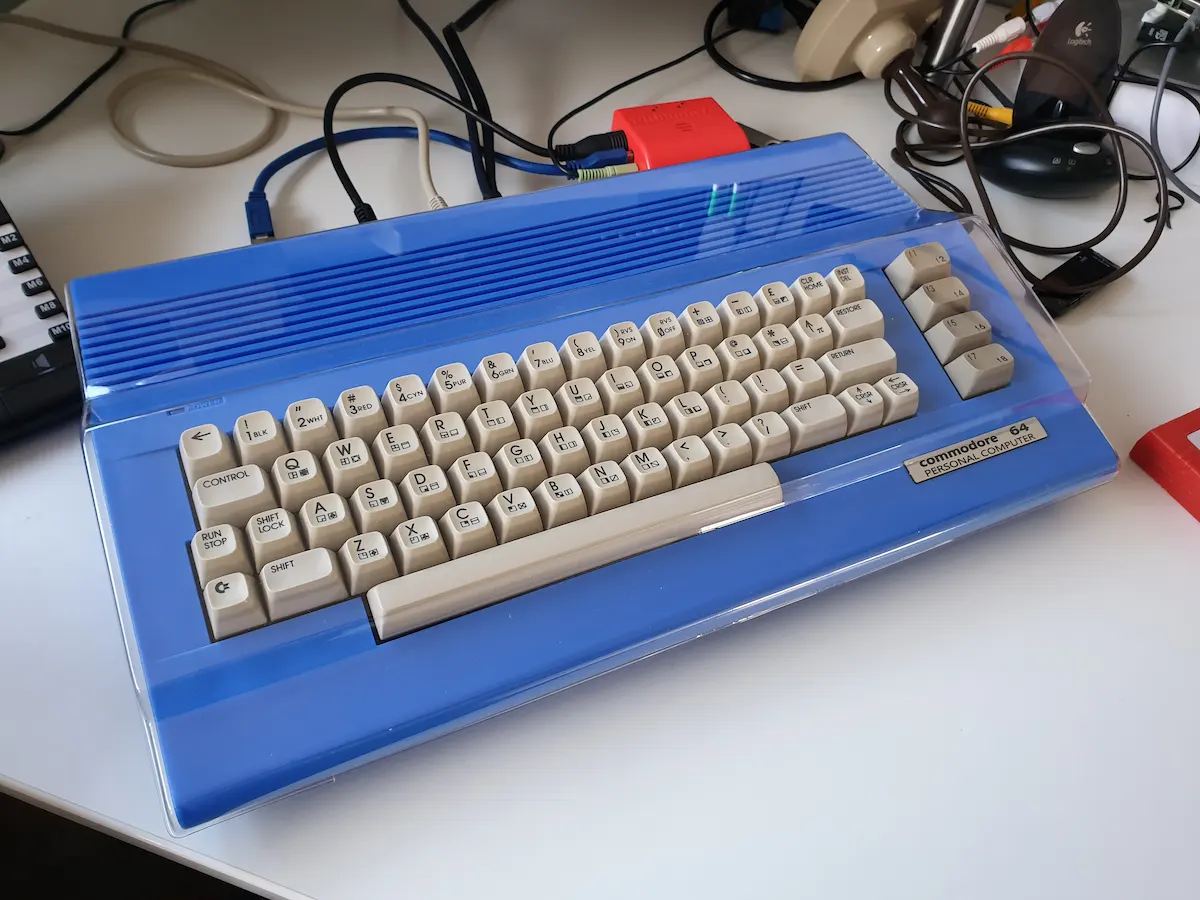
The most-produced C64 of all time: manufactured from 1986 to 1993.
By 1986, the Commodore 64 had been on sale for four years and had established itself as the bestselling home computer in history. Commodore's response was not to replace it but to refresh it. The C64C kept everything that made the original great and gave it a new wardrobe to match the design language of the Amiga 500 and C128.
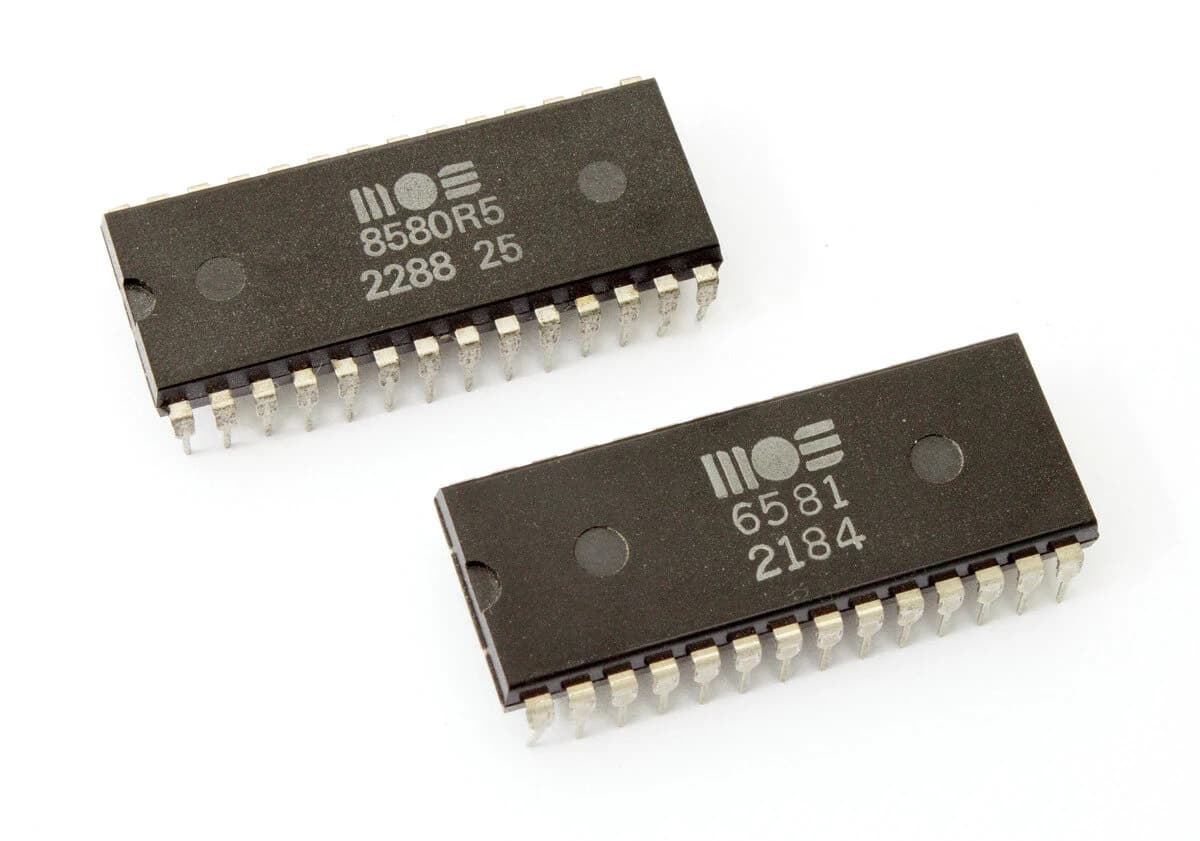
The result was a flatter, more angular machine in a lighter-coloured case, moving away from the rounded beige-brown of the breadbin. The change was purely cosmetic at first, but later C64C production runs also introduced a new SID chip, the MOS 8580, bringing a subtle but much-debated difference in sound character.
Shop on Amazon
Find Commodore hardware, games, books and accessories. Browse the full range on Amazon.
The C64C: A New Design Language
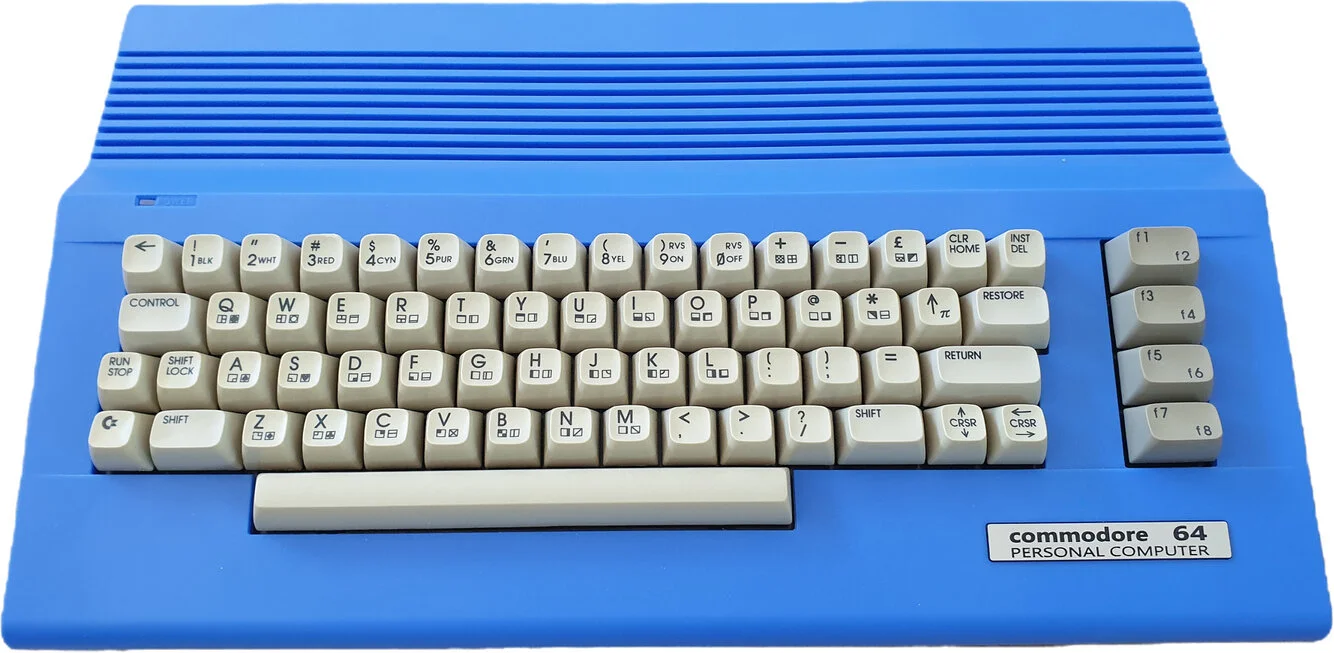
The C64C case was a product of its time. By the mid-1980s, the rounded home computers of the early decade were giving way to sleeker, lighter designs. Commodore unified the visual identity of its product range, and the C64C adopted the same flat, angular styling as the Amiga 500 and C128.
The keyboard layout and key functions remained identical to the breadbin, ensuring that anyone familiar with the original could sit down at a C64C without any relearning. The lighter cream-white colour of the case made the machine look more contemporary in the showroom, which was precisely what Commodore needed to keep the C64 competitive through the late 1980s.
Internally, Commodore also reduced the component count over successive C64C motherboard revisions. The so-called short board designs consolidated multiple chips onto fewer, larger integrated circuits, reducing manufacturing costs without affecting performance or compatibility.
C64C: Technical Specifications
| CPU | MOS 8500 @ 0.985 MHz (PAL) / 1.023 MHz (NTSC) |
| RAM | 64 KB |
| ROM | 20 KB (BASIC v2, KERNAL, Character set) |
| Sound | MOS 6581 (early) or MOS 8580 (late) |
| Video | MOS 8565 VIC-II (PAL) / 8562 (NTSC) |
| Colours | 16 |
| Sprites | 8 hardware sprites |
| Ports | 2x joystick, cartridge, serial, user, cassette |
| Released | 1986 |
| Discontinued | 1993 |
The SID Question: 6581 or 8580?
The most significant technical change introduced in certain C64C models was the SID chip. Early C64C production used the same MOS 6581 as the breadbin. Later revisions switched to the MOS 8580, a chip that operated at a lower voltage and produced a cleaner, more precise sound output.
The difference matters to enthusiasts. The 6581's analogue filter is known for its warmth and organic imperfections, including a characteristic slight distortion and filter behaviour that varies from chip to chip. The 8580 is more consistent and technically accurate, but some listeners find its output less characterful.
Which chip your C64C has depends on the motherboard revision. The simplest way to check is to remove the bottom cover and look at the chip label in the 28-pin SID socket, clearly marked on the board. A 6581 runs at 12V; the 8580 runs at 9V, and each has its part number stamped directly on the chip body.
C64C Compatibility and Legacy
Despite the redesign, the C64C was fully compatible with every piece of software and hardware ever made for the Commodore 64. Every game, every demo, every application that ran on the original breadbin ran equally well on the C64C. This backward compatibility was one of Commodore's greatest assets and kept the C64 platform relevant into the early 1990s.
The C64C remained in production until 1993, making it by far the longest-running version of the C64. It was the machine that most people in Europe and North America owned if they bought a C64 during the platform's later years. For many, the C64C is simply the Commodore 64.
Today, the C64C is widely available on the second-hand market and generally more affordable than a breadbin in equivalent condition. It makes an excellent choice for anyone getting started with original C64 hardware, offering full compatibility with the entire software library at a more accessible price point.
**** FREQUENTLY ASKED QUESTIONS ****
READY.