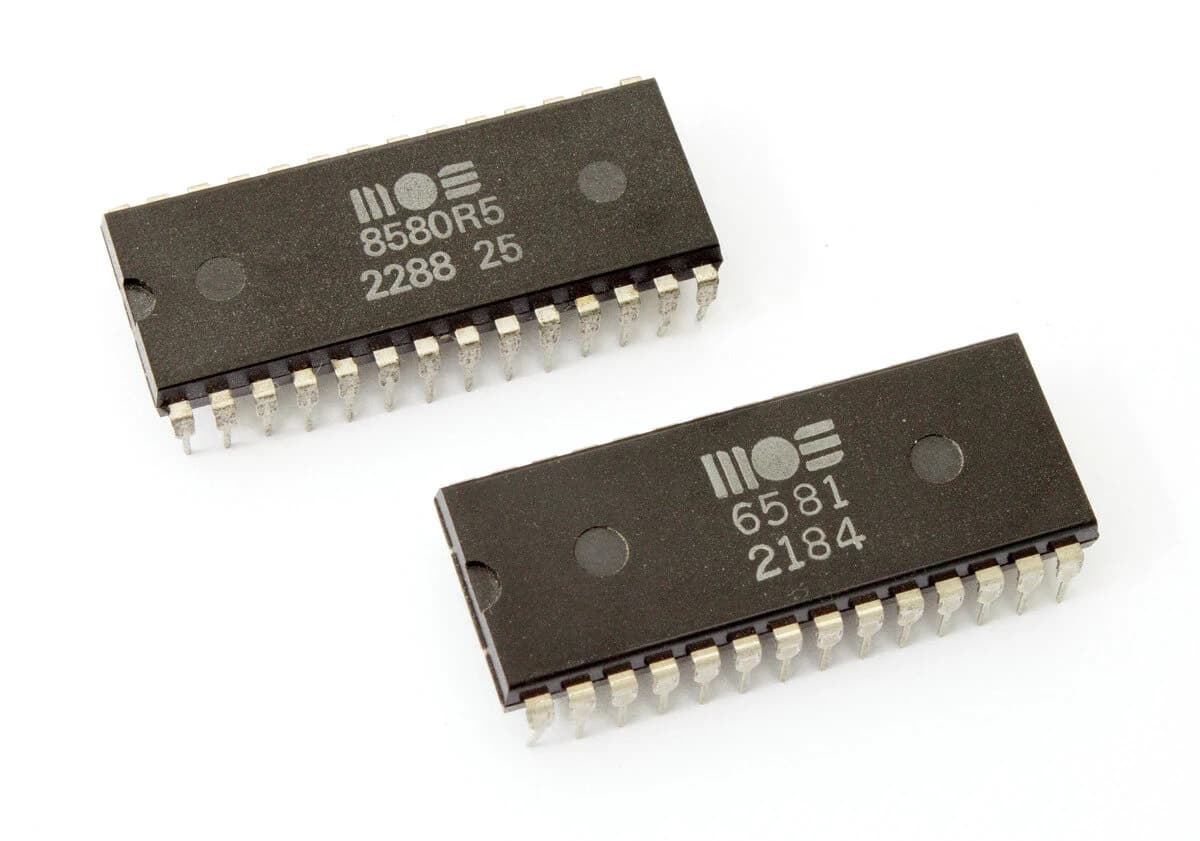
Martin Galway
Commodore 64 Music Composer
Martin Galway, Commodore 64 Music Composer
The first musician to publish sampled sounds on the Commodore 64, and the composer behind Ocean Software's most celebrated loading themes.
Martin Galway was born on 3 January 1966 and grew up in London. A British musician and composer, he is widely regarded as one of the most talented and influential composers of the 8-bit era. His work on the Commodore 64 is praised for its melodic quality, technical innovation and emotional depth.
Working primarily for Ocean Software, one of the era's most prominent publishers, Galway transformed the experience of loading tape-based games. What had been dead time became a reason to sit and listen. His compositions often sounded like miniature film scores, bringing a level of production quality that elevated every game they accompanied.

Shop on Amazon
Find Commodore hardware, games, books and accessories. Browse the full range on Amazon.
Martin Galway: A Career Built on Ocean Software
Galway made history as the first musician to publish sampled sounds on the Commodore 64, a milestone he achieved with his music for the Arkanoid conversion. Using the SID chip's ability to manipulate waveforms, he created the impression of real sampled audio within the severe constraints of 8-bit hardware.
Throughout the mid to late 1980s, Galway produced a steady stream of soundtracks for Ocean Software titles. His output during this period became a defining part of the C64 experience for an entire generation of gamers across Europe and North America.
His full catalogue of C64 work is documented on the C64 Scene Database. It remains one of the most comprehensive archives of SID music from the era.
Martin Galway on CSDb ▶
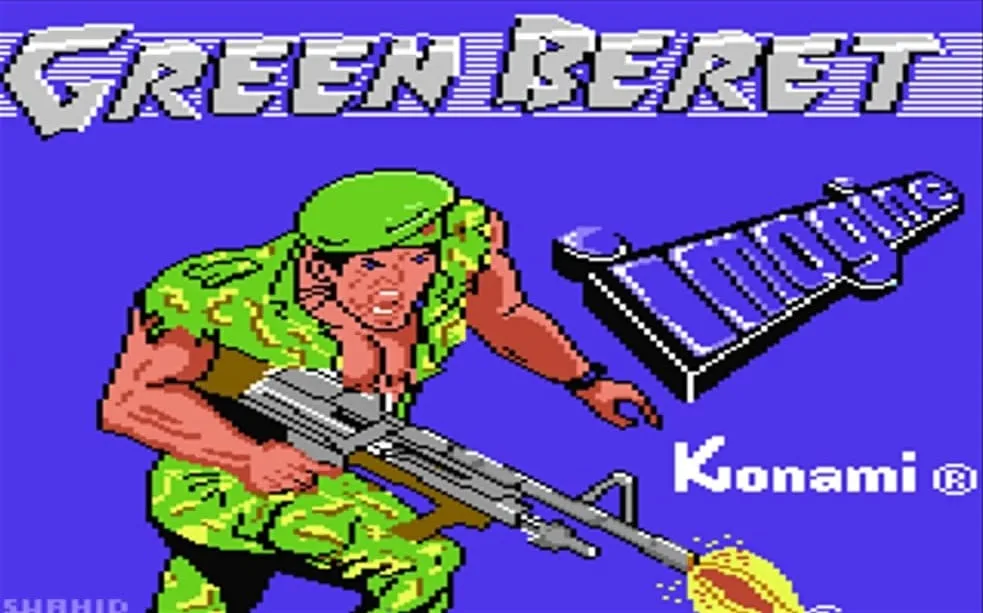
Martin Galway's Green Beret
The Green Beret title music is one of Galway's most celebrated compositions. From its opening bars, a powerful and dramatic melody sets the tone for the intense combat that follows. The piece demonstrates Galway's ability to write music that works in context, reinforcing the mood and atmosphere of the game rather than existing independently of it.
The harmonic progressions in Green Beret show a composer thinking beyond the technical limitations of the hardware. Where the SID chip might have been treated as a novelty instrument, Galway used it with the same musical rigour he would have applied to any conventional composition.
Read the full Green Beret game guide ▶Rambo: First Blood Part II
The Rambo loading theme is arguably Galway's most recognisable piece of work. Played while the game loaded from cassette, it became a defining sound of the mid-1980s C64 experience. Its driving rhythm, sweeping SID filter effects and melodic complexity demonstrated that the hardware could produce music with genuine emotional impact.
The piece was part of the Ocean Loader series and circulated widely beyond the game itself. Many C64 users sought it out as a standalone listening experience, which was unusual for game music of the era. The Norwegian rock band FastLoaders later recorded a rock version of the Rambo loader on their album C64 Rocks.
About FastLoaders ▶Full Rambo game guide ▶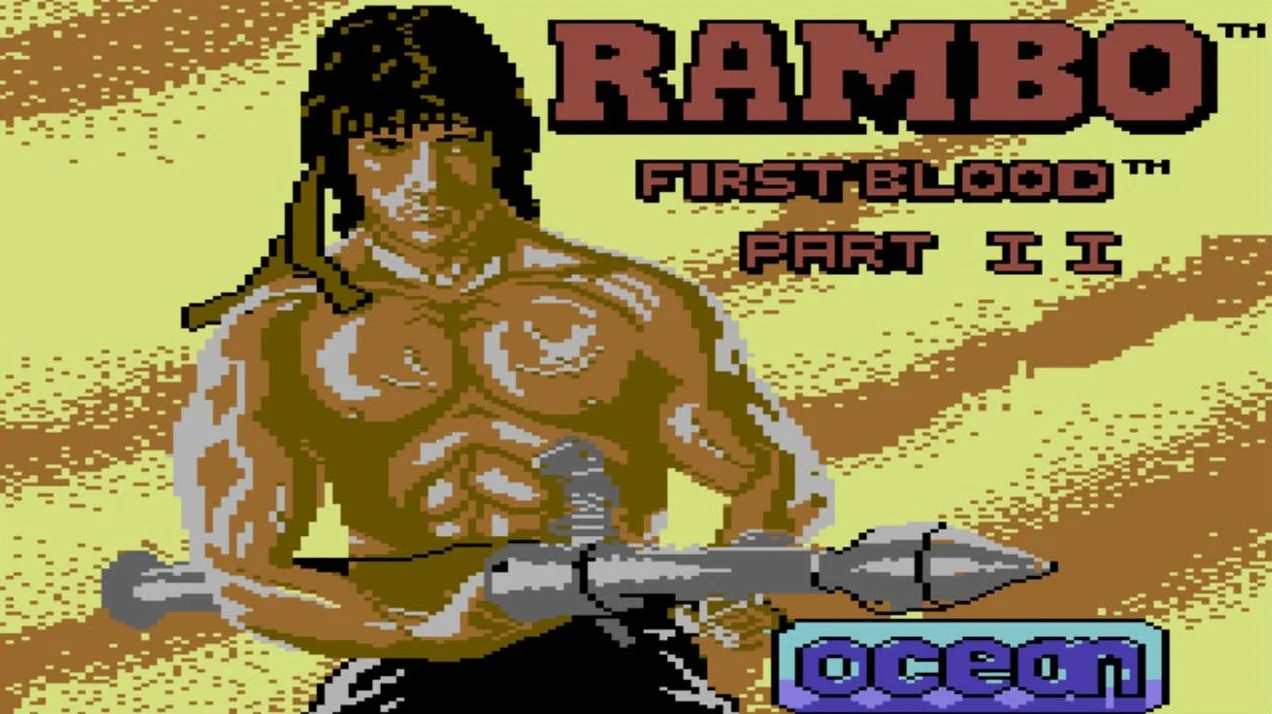
Martin Galway and the Ocean Loader
The Ocean Loader is the name given to a series of loading themes that Galway composed for Ocean Software. These pieces played while games loaded from cassette or floppy disk, filling what would otherwise have been silence. Ocean Loader 2 is widely regarded as the most iconic, with its catchy and rousing melody becoming one of the most recognisable pieces of C64 music ever composed.
Martin Galway's Assembly Source Code
In a move that is exceptionally rare among composers of his era, Martin Galway published the original 6502 assembly source code for his C64 music players on GitHub. The repository contains the actual code behind some of his most celebrated Ocean Software soundtracks, including Arkanoid, Green Beret and Wizball.
The repository documents two generations of his music player architecture. The first generation, used from 1984 to mid-1987, debuted on Wizball. A second generation followed on later Ocean titles. Reading the source code reveals exactly how Galway programmed the SID chip, offering a rare primary source for anyone studying C64 music from a technical perspective.
Martin Galway on GitHub ▶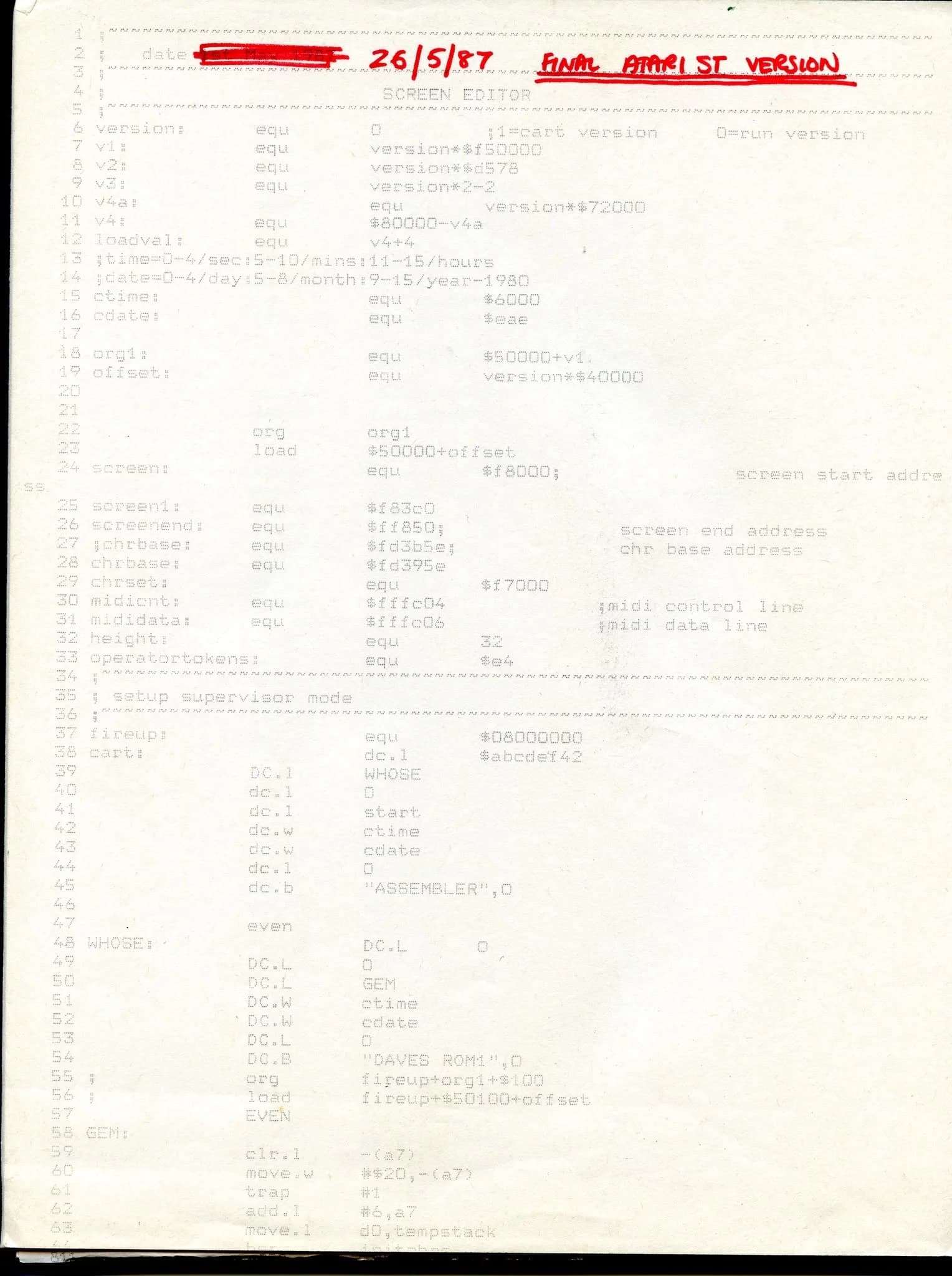
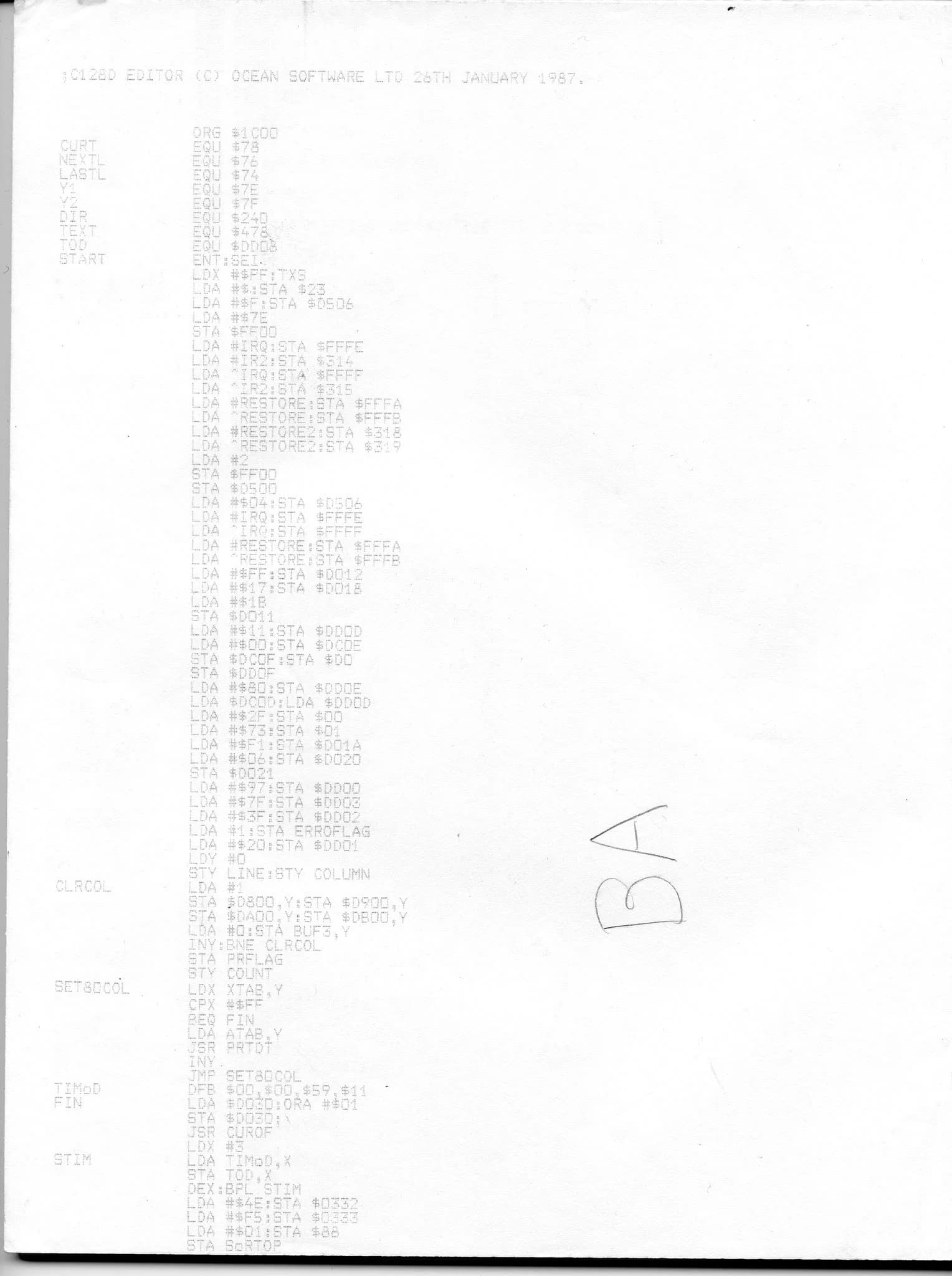
Original assembly source code shared by Martin Galway. Left: screen editor listing dated 26 May 1987. Right: C64 music player code, Ocean Software, January 1987.
How Galway Composed for the SID
Assembler Programming
Galway wrote his music in 6502 assembly language, coding directly against the SID chip registers. Every note, waveform and timing value was specified by hand, giving him precise control over every aspect of the sound.
Composition on Paper
Before sitting at the computer, Galway worked out his melodies, harmonies and rhythms on paper or at a keyboard. The musical ideas came first; the programming was how he translated them into hardware.
Coding the SID
Each note required specifying pitch, volume, waveform and timing in the form of raw SID register values. Galway coded three voices simultaneously, carefully managing the chip's filter to create movement and atmosphere.
Optimisation
The C64 had limited memory and processing power. Galway had to ensure his music player ran efficiently alongside the game code, optimising every routine to keep CPU usage low without sacrificing musical quality.
Testing and Refinement
After each session of writing, Galway tested his compositions on real hardware. Adjustments were made by ear, tweaking register values and timing until the music sounded exactly as intended.
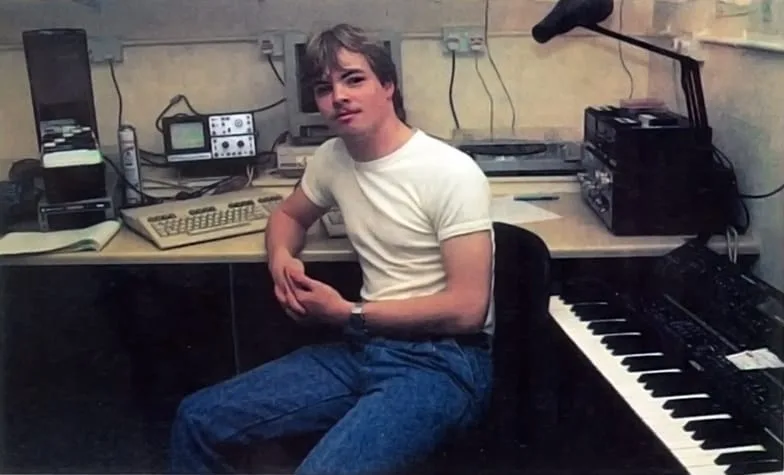
Galway composed by combining traditional musicianship with hands-on SID chip programming.
Other Famous Martin Galway Works
Beyond his Ocean Loader work, Galway composed for a range of games that each brought out a different side of his talent. Wizball, released in 1987, is praised for its captivating melodies and vibrant arrangements. It is considered by many C64 enthusiasts to be one of the finest soundtracks on the platform.
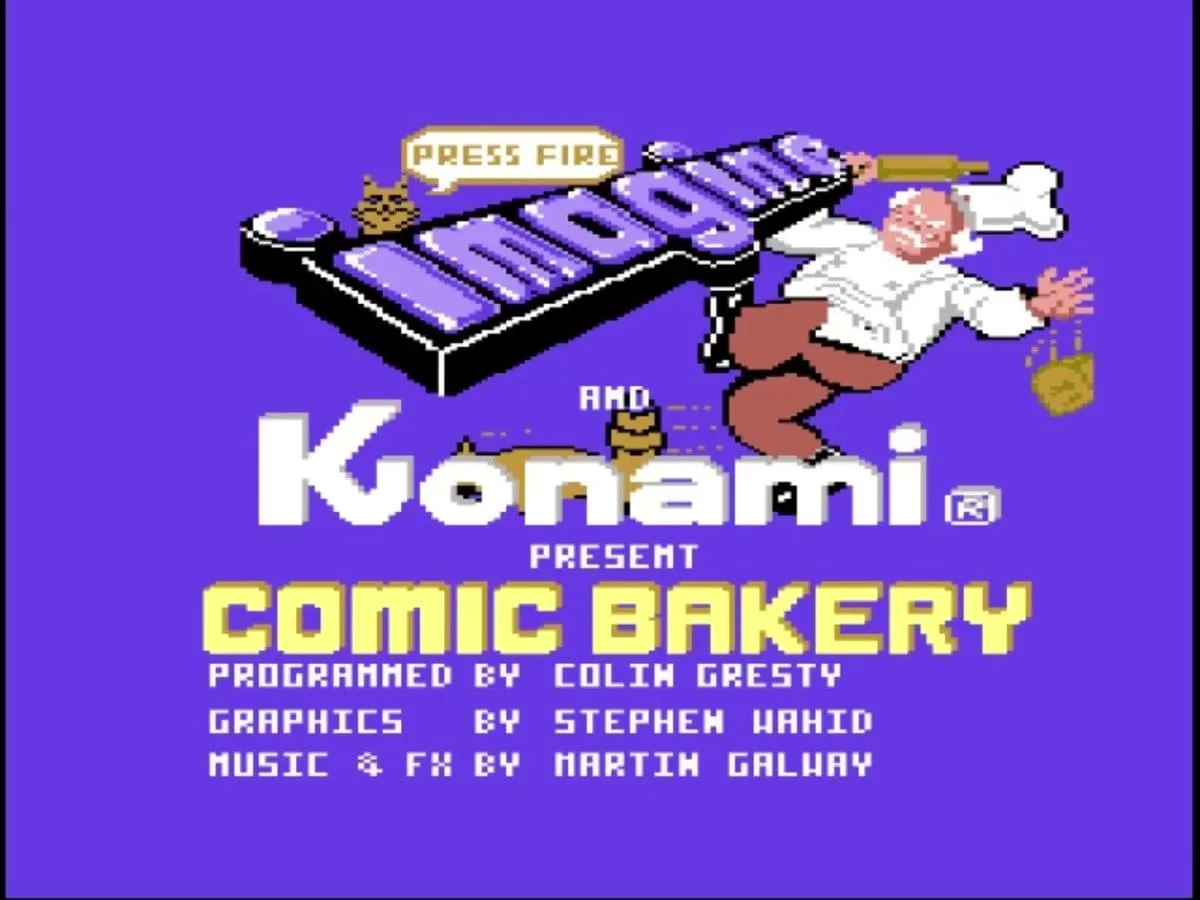
Comic Bakery features one of the most cheerful and immediately recognisable tunes on the C64. Arkanoid showcases a lively, energetic style that matches the pace of the game perfectly. For Yie Ar Kung-Fu, Galway drew inspiration from Jean Michel Jarre, basing the intro theme on Magnetic Fields IV.
IK+ (International Karate+) rounds out his output from this period with a piece that balances tension and rhythm in a way that perfectly suits a competitive fighting game. Each of these compositions shows a composer who approached every brief as a genuine creative opportunity.
After the Commodore 64
As the home computer era gave way to more powerful platforms, Galway moved into professional games audio. In 1990 he joined Origin Systems as Audio Director, working on titles for a studio known for its ambitious role-playing games. From 1991 he worked at Digital Anvil in the same capacity.
His most recent public role was as Audio Director at Cloud Imperium Games, the studio behind Star Citizen, the space simulation game developed by Chris Roberts, who is himself well known from Wing Commander. The journey from three-voice SID music to the audio of a major modern game production is a remarkable arc.
His legacy on the C64 endures independently of his later career. The Ocean Loader themes and game soundtracks he produced in the 1980s continue to be heard, covered and celebrated by the retro gaming community worldwide.
**** FREQUENTLY ASKED QUESTIONS ****
READY.
Discover the C64 Legends
Meet the composers who defined the sound of the Commodore 64. Rob Hubbard, Martin Galway and Jeroen Tel each brought something unique to the SID chip.
C64 Legends ▶